- Heddels
- Posts
- What is Dyneema? All About the World’s Strongest Fiber - Blue Beach Denim
What is Dyneema? All About the World’s Strongest Fiber - Blue Beach Denim

David Shuck
March 09, 2026
Together With

What is Dyneema? All About the World’s Strongest Fiber
Dyneema is heralded as the world's strongest fiber, but is it that straightforward? We answer that question and more in this primer.
William Reynolds
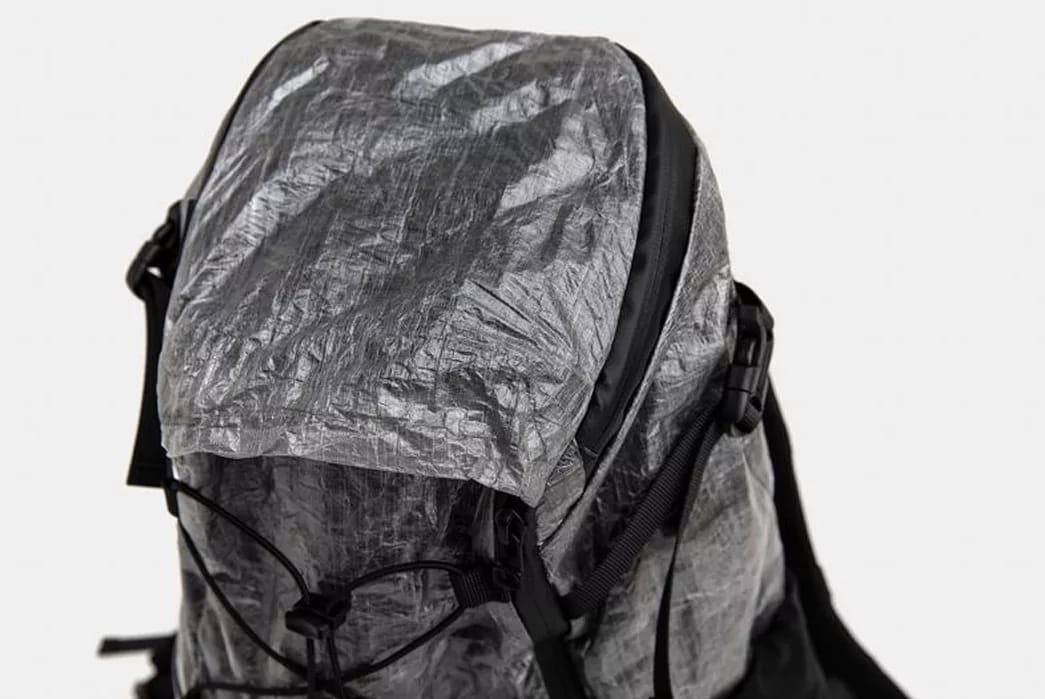
Man-made fabrics aren’t the most popular in our scene, but like it or not, they offer a level of durability and tensile strength that our favorite cotton and wool cloths cannot. And when speaking about durability, not many fabrics can stand up to Dyneema®, the Hercules of man-made fabrics.
In the world of ‘soft’ fabrics, i.e., what can be easily used to make jackets, shoes, luggage, and accessories, Dyneema is king. Famous for having an extremely high strength-to-weight ratio, Dyneema is seen on technical apparel, accessories, and, most importantly, our recent collaboration with Crown Northampton!
But what is Dyneema? Is it really ‘stronger than steel’? We’ll answer that and more in this primer on ‘the world’s strongest fiber’.
What is Dyneema®?

Dyneema is an ultra-high-molecular-weight polyethylene (UHMWPE) fiber. If you’ve heard of it, I imagine you’ve read that it’s the strongest fabric in the world. Up to 15 times stronger than steel, in fact. And that’s factually correct; however, it’s not the entire picture. When that claim is made, it almost always refers to tensile strength-to-weight ratio: a specific strength, not absolute strength.
Despite its impressive strength, Dyneema is lightweight, floats on water, and is highly resistant to a bunch of stuff, from abrasion to chemicals and UV rays. It’s essentially the Superman of plastic.
Now, without getting all lab-coat, pocket-protector about it, Dyneema is made by taking ultra-long plastic molecules, melting them into a gel, and then pulling them out into insanely thin fibers. That stretching lines everything up super neatly at the molecular level, which is where the magic happens. When all those molecules are marching in the same direction, you end up with a fiber that’s ridiculously strong, crazy light, and way tougher than it has any right to be. In short, carefully stretched plastic, but make it unreasonably robust.

Dyneema filament stretched over the edge of a razor blade via Euro fibers
It’s important to remember that Dyneema isn’t one single fabric or fiber: it is a brand name for UHMWPE fiber. Dyneema fabrics can be woven into fabric, used in ropes, blended with other fibers, laminated into composite materials, and more.
/ In Partnership with Blue Beach Denim /
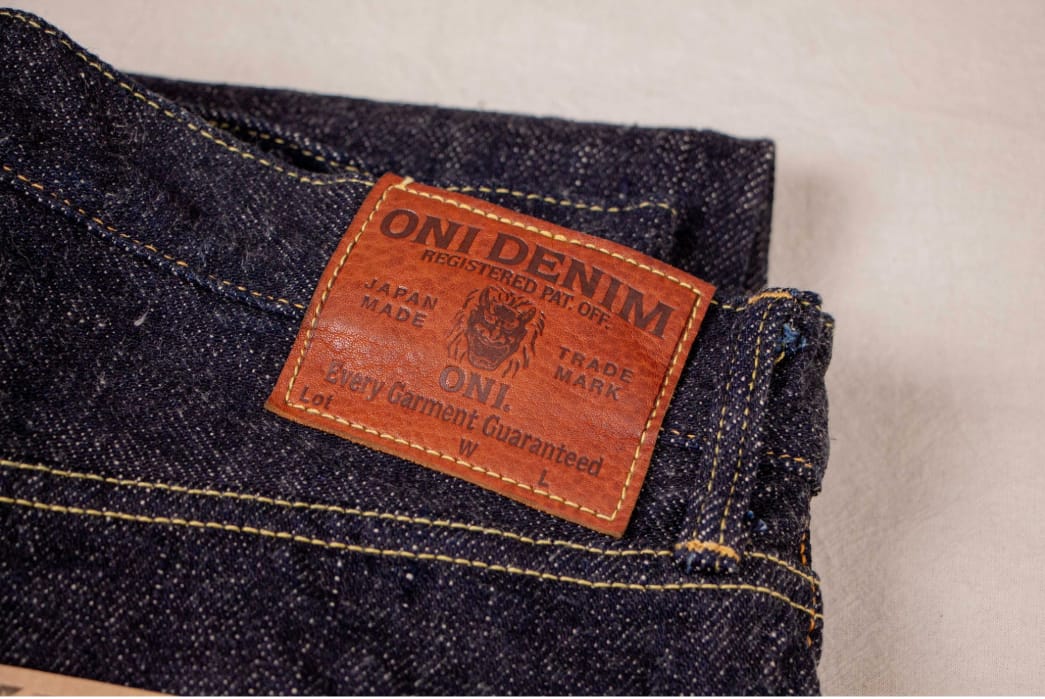
ONI's Secret Denim is far from secret. In fact, it's famous in the raw denim niche for its unrivalled texture and nuance, which owes to a secret recipe formulated by ONI's director Mr. Oishi.
The latest Secret Denim from the Japanese label weighs in at 20 oz. per square yard and contrasts a deep indigo warp with a beige weft for intense fades. Being on the heavier end of the spectrum and woven at loose tension, expect those fades to come thick and fast, too.
ONI's Dark Indigo secret denim is available across 3 fits: 288 (regular straight), 902 (tapered with a high rise), and 622 (relax taper).
Get yours today from Blue Beach Denim for $268.
The History of Dyneema®

Dr. Albert Penings via Sidetracked
Dyneema was actually conceived as a “happy accident” – you know, that ol’ classic line. In 1963, Dr. Albert Pennings, a chemist at DSM (Dutch State Mines) in the Netherlands, was conducting research on polyethylene solutions. While stirring a solution to analyze its properties, he noticed unusual, incredibly strong, white fibrous crystals forming around the stirrer.
Pennings then had his “Eureka moment”. He realized that these were the longest polyethylene molecules, and because they were so long, they were also remarkably strong. By 1968, he had developed a process to turn these crystals into a usable fiber.
While its discovery itself was a fluke, getting Dyneema into the real world definitely wasn’t. That part took years of research, endless lab testing, and pushing past plenty of corporate shoulder-shrugging before Dyneema finally launched in 1990.

Raw denim infused with Dyneema yarns
What is Dyneema® Used For Today?

Dyneema mooring ropes via G Captain
Dyneema’s early applications were industrial through and through: body armor, tow cables, and mooring lines. You name it. In fact, unknowingly to most, Dyneema has been doing big-league stuff for years. We’re talking tethering satellites in outer space, helping flip a massive stranded cruise ship back upright off the coast of Italy, and even hoisting the crown onto the Freedom Tower.

Dyneema® Composite Fabric (DCF) via Dyneema
The real shift from industrial use case to fashion flex came a little later on in the 2010s with the introduction of Dyneema Composite Fabric, or DCF. Instead of being spun or woven, DCF is made by sandwiching woven Dyneema fibers between thin sheets of film. The result is insanely strong, feather-light, waterproof, and resistant to stretching; a fabric that resembles space food packaging more than it does cloth, but that’s kind of the point.

Dyneema bag via meanswhile 公式オンラインストア
Originally, DCF was built for industrial-adjacent, high-stakes stuff: sails, kites, and anything where failure wasn’t an option. Then it migrated to ultralight hikers and outdoor obsessives, the kind of people who have more carabiners than friends. Once it proved itself in the wild on tents, tarps, fashion naturally followed, bringing this crinkly miracle fabric from the mountains to the streets. Today, you can find Dyneema in ultralight backpacks, tents, performance jackets, and even sneakers.

Image: Dyneema®
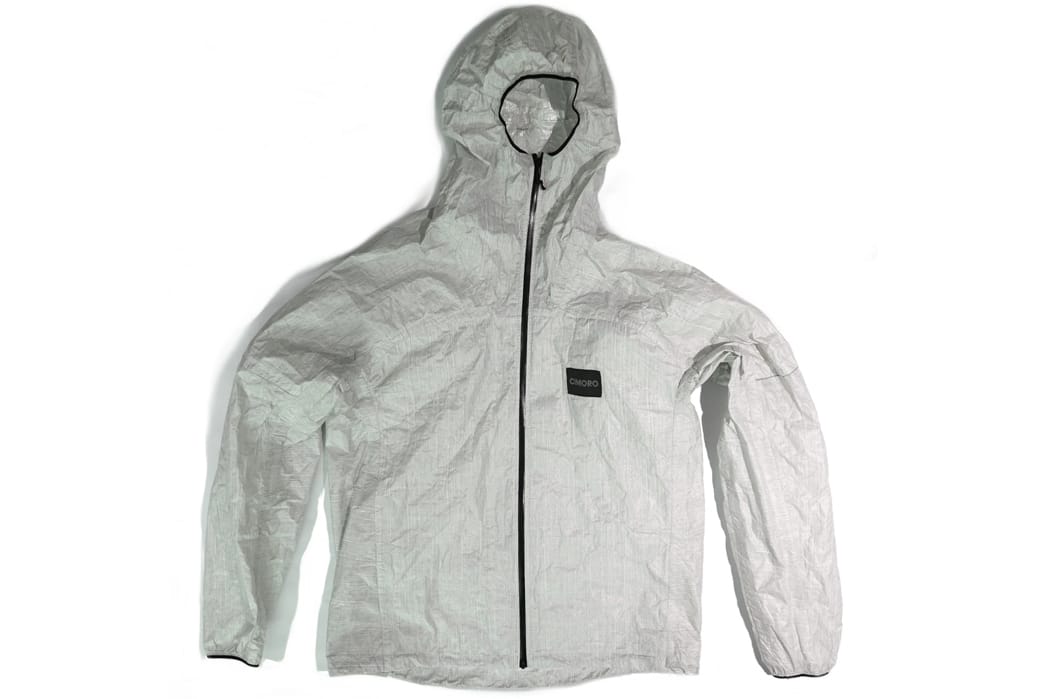
Dyneema Composite Fiber on a CIMORO jacket via CIMORO
Is Dyneema® Sustainable?
Sadly, Dyneema isn’t sustainable, really: it’s made from fossil fuels, and its production is energy-intensive. It’s perhaps more sustainable than some other polymers, due to the fact that its extremely high strength-to-weight ratio leads to longer product lifespans and thus reduces overall material use. But when all is said and done, it is still a conventional plastic polymer and is not biodegradable. End-of-life recycling options are severely limited, especially once it is woven or laminated into the aforementioned composite fabrics.
Bio-Based Dyneema gets its carbon from waste biomass (think scraps from agriculture, food production, etc.), which is renewable. The resulting fibers are just as durable. However, despite the renewable input source, it is chemically identical to UHMWPE, meaning it does not biodegrade and faces the same end-of-life challenges. Both traditional and bio-based Dyneema are forms of polyethylene plastic and do not naturally decompose in soil or compost.
Investing in a Dyneema product doesn’t inherently mean you’re making an unsustainable purchase; just make sure you pick the right one that you’ll use for as long as possible. It’s no more unsustainable than, say, GORE-TEX, and that stuff is everywhere.
Dyneema® Products
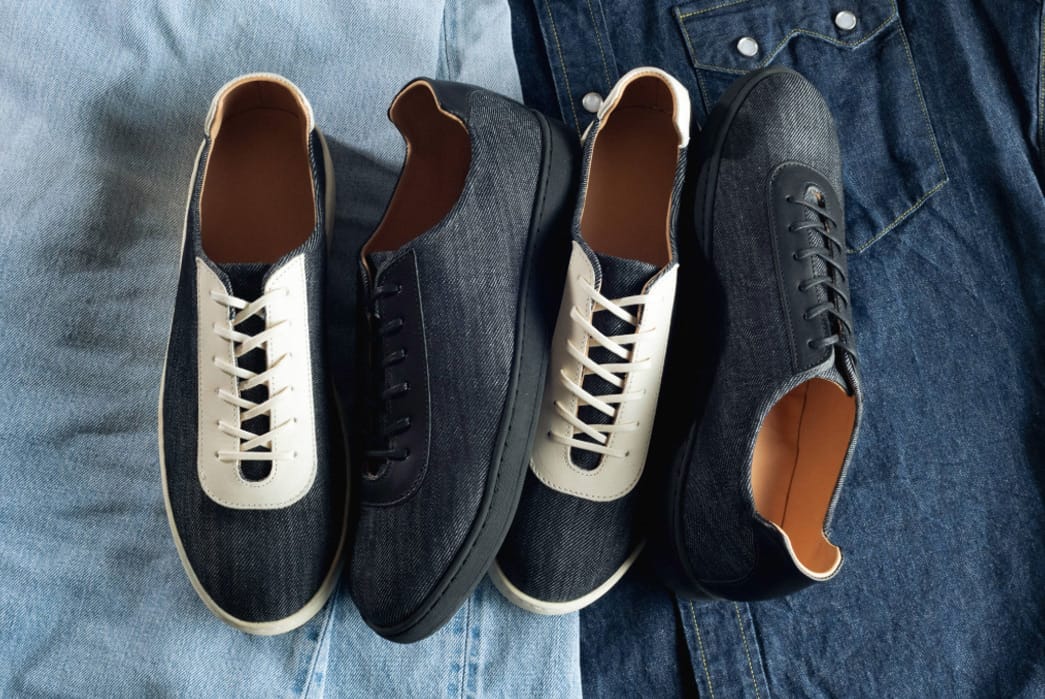
At Heddels, we’re all about longevity. Quality and durability aren’t just buzzwords; they’re the lifeblood of everything we do. With that, everyone knows sneakers don’t last as long as boots or a pair of well-made derbies or loafers. Different construction, different lifespan. But that doesn’t mean we’ve written off sneakers forever.

That’s why we recently teamed up with Crown Northampton on a first-of-its-kind Dyneema sneaker. We took the crème de la crème of English shoemaking, combined it with the collective experience of the Heddels team, and created the Grand Union Sneaker.
Handmade in the revered shoemaking hub of Northampton, England, it features an Italian-woven Dyneema denim upper, veg-tan calf leather trims, a fully leather-lined interior, and a Lactae Hevea sole. The result? A sneaker that might just outlast your boots. Imagine that.
Available for $475 from Crown Northampton.
More Dyneema Products®

Available for $298 from DSPTCH.

Available for $302 from DSPTCH.

Available for $368 from DSPTCH.
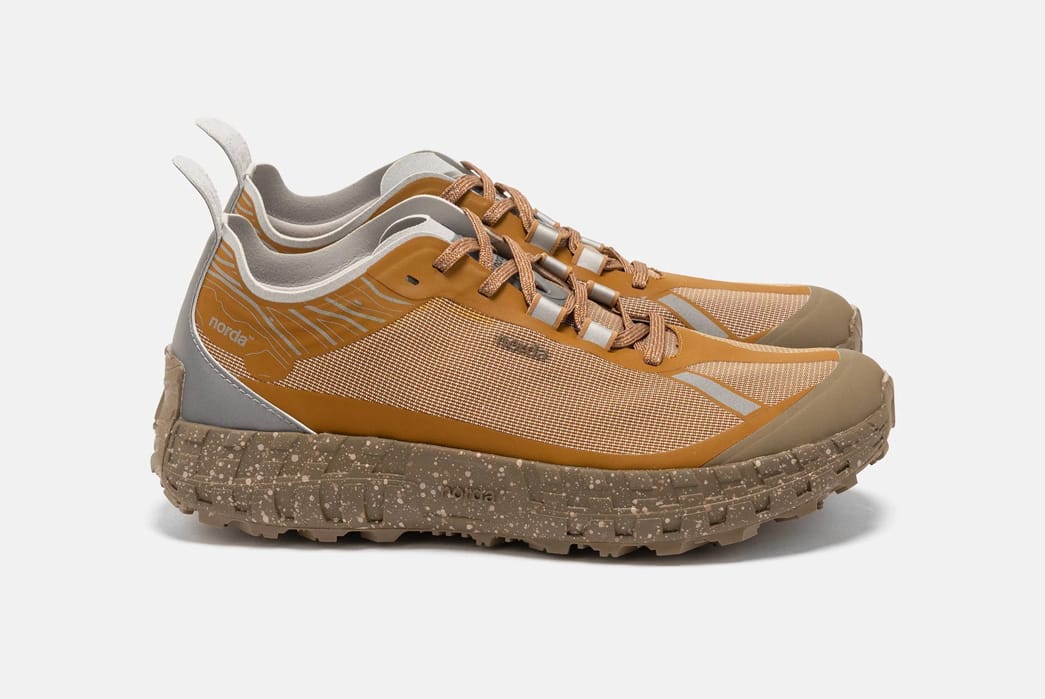
Available for $295 from HAVEN.
Like this? Read these:


What did you think of today's newsletter? |