- Heddels
- Posts
- The Outdoor Brands of Japan – Mont Bell, Nanga, Goldwin, & More
The Outdoor Brands of Japan – Mont Bell, Nanga, Goldwin, & More

David Shuck
January 14, 2026
The Outdoor Brands of Japan – Mont Bell, Nanga, Goldwin, & More
We shine the light on the outdoor brands coming out of Japan, taking a look at their stories, philosophies, and products.
Kadeem Roper
I don’t know about you, but I’ve always been quite taken with the outdoor aesthetic. It’s sporty, fashionable, and functions well whether you’re an intrepid outdoor type or a city-dweller who revels in sartorial stolen valor (like me).
To find the place that’s perfected this look down to a science, look no further than Japan. They’ve got a gaggle of great brands who trade in high-performance textiles, forward-thinking design, and world-class construction to boot.
When you think about it, it makes sense that some Japanese city-slickers wanna break free from the hustle and bustle to seek solace in the serene beauty of their nation’s natural wonders. Sure, Japan knows how to blend nature and urban landscapes (I mean, have you seen the Meiji Shrine?), but let’s be real, nothing compares to being fully ensconced in the great outdoors. And, as an added bonus, you get to deck yourself out in some of the flyest fits while doing it. Win-win!
If you’ve ever wanted to embody the effortlessly chic je ne sais quoi of a Japanese trekker, this article will point you in the direction of brands that will serve you well. So lace up your favorite hiking boots, slip on your most tactical pullover, pack some precious cargo in your pants, and let’s get ready to take a trip down the proverbial trails of the Land of the Rising Sun.
Expedition Exposition

A shot of a Japanese family car camping in the 1980s, via Snow Peak
As Japan entered a period of modernization after World War II, so too did its outdoor pursuits. The post-war era brought on a renewed interest in exploring the outdoors, fueled by a desire to reconnect with nature.
In the 70s and 80s, the popularity of outdoor leisure skyrocketed. Camping became a favorite pastime for folks of all ages, offering a chance to enjoy all that Mother Nature had to offer. The wilderness was embraced, hiking trails were explored, and rugged cliffs were scoured and sumitted. People all over the country found themselves driven by a sense of adventure.
And speaking of driving, during the nation’s economic era of prosperity, when cars became more affordable and transportation infrastructure expanded, a new wave of enthusiasts hit the road. Car camping became all the rage as it experienced an unprecedented boom. This saw an increase in family camping trips, as they decked out their cars with camping gear and embarked on fun affairs in the forest.
As the popularity of these outdoor activities grew, so did the desire to look good. Japanese brands seized this opportunity and began creating gear that could combine fashion and function, seamlessly taking its wearers from the campgrounds to the cafe. Many brands sprang up around this time garbing this new consumer base in all manner of goodies, from high-performance finery to understated pared-down basics.
These days, the nation’s denizens still enjoy leisurely strolls down well-worn paths found out in nature. And they make sure to look damn good while doing it.
Snow Peak
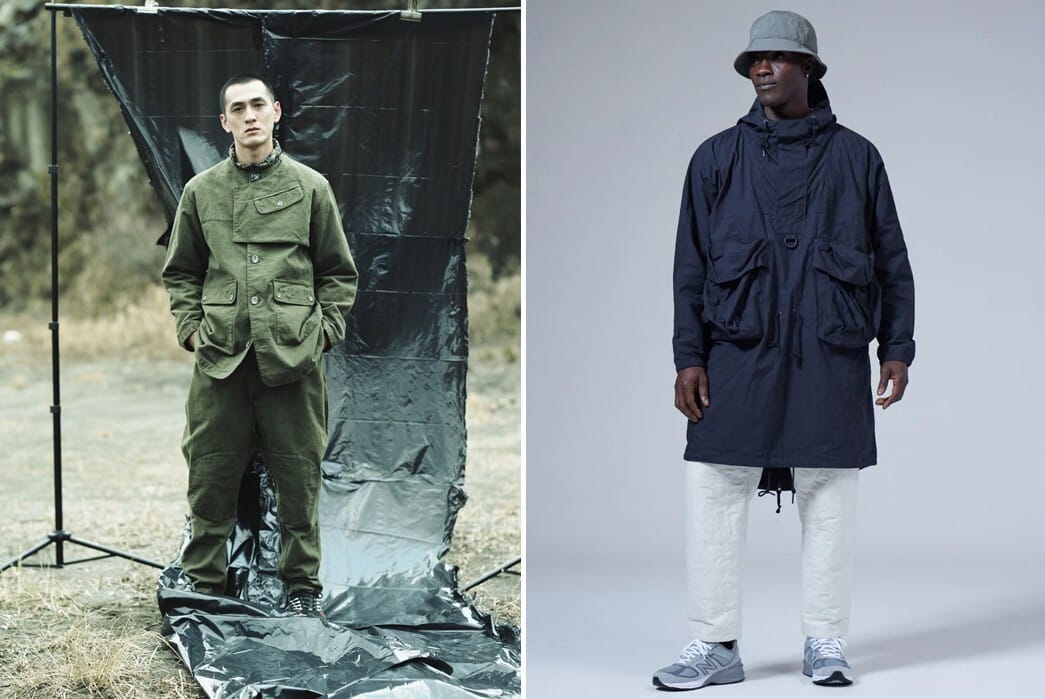
Images via Hypebeast [left], via Snow Peak (right)
With a name that invokes images of treacherous ice-capped mountaintops,Snow Peakdoesn’t mess around. Founded originally under the name Yamai Shoten in 1958 by Yukio Yamai in Japan’s Niigata region, the brand began as a metal hardware manufacturer with the simple aim of creating better climbing and camping equipment than what was being offered locally.
Much of Snow Peak’s success can be attributed to Yukio’s son, Tohru Yamai, who took over the company in the 1980s, just as SUVs were becoming big business. Thanks to Japan’s aforementioned car camping boom, Snow Peak expanded into new territory, developing high-quality, well-designed products engineered to be light, durable, and compatible with automotive setups. It was thanks to this that Snow Peak is credited with being one of the major players in Japanese camping culture, pioneering the pastime.
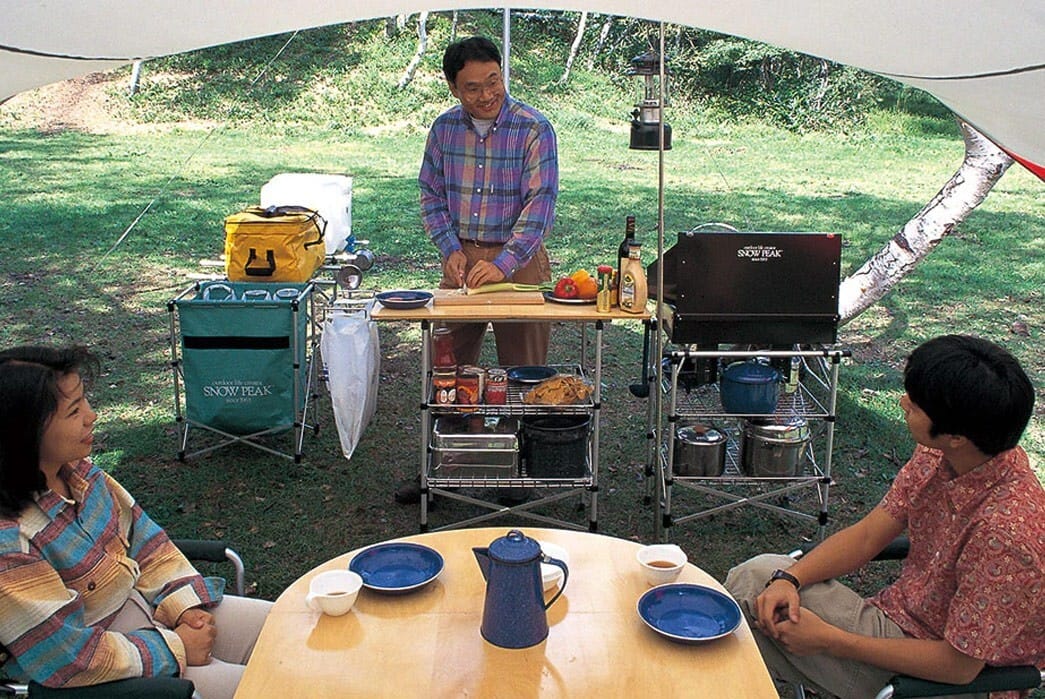
A 1987 image promoting Snow Peak’s Multi-Stand, via Snow Peak
In 2014, Yukio’s granddaughter, Lisa, became president and shortly thereafter introduced the brand’s universally lauded clothing line. Season after season, Snow Peak releases a wide range of clothes and camping gear characterized by sleek lines, technical fabrics that are up for the outdoor task, and an impeccable eye for detail. They take outdoor gear and refine it down to a handsome minimum, using fabrics and materials that reference the brand’s Japanese heritage.
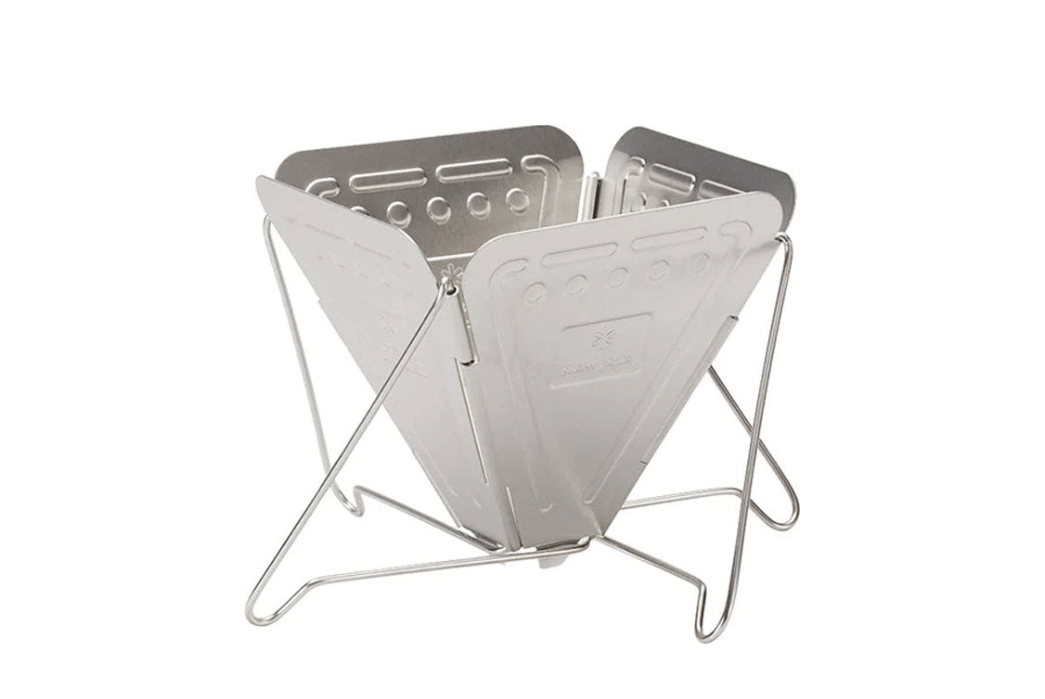
Snow Peak Collapsible Coffee Drip, available for $43 at Hatchet Supply.
The new focus on clothing is balanced by a range of tents, grills, tarps, seating, stoves, cookware — basically, anything you and your family need to thrive whilst camping — all of which is imbued with that aforementioned minimalist Japanese style.

Snow Peak Amenity Dome M, available for $400 from Hatchet Supply.
Goldwin

via Outsiders Store
Goldwin is one of the OG’s of this outdoor garment game. Founded in Oyabe City, Japan, under the moniker Tsuzawa Knit Fabric Manufacturer, they’ve spent the last 70-odd years soaking up all the wisdom Mother Nature has to offer.
From a philosophical standpoint, Goldwin is all about harmony, understanding that we should coexist with the world around us. Their desire is to create a lifestyle that embraces sustainability and a circular economy. And make sure their clothes work with the environment, not against it.
The brand has been described as the “protagonist of the gorpcore movement in Japan”. And if turning out their own world-class clothing wasn’t enough, they also manage to produce their nation’s The North Face apparel as well.
Worldwide, Goldwin is known for its top-notch tech wear. Every product is meticulously made, starting with their highly technical performance gear and carrying on to their lifestyle line. Known for their clean, minimalist design and advanced manufacturing techniques, their garments handle the double duty of being able to withstand extreme climates and look stylish. Goldwin introduced its “Goldwin 0” label in 2022, which focuses on fashion-forward designs that retain the technical prowess of their regular output.
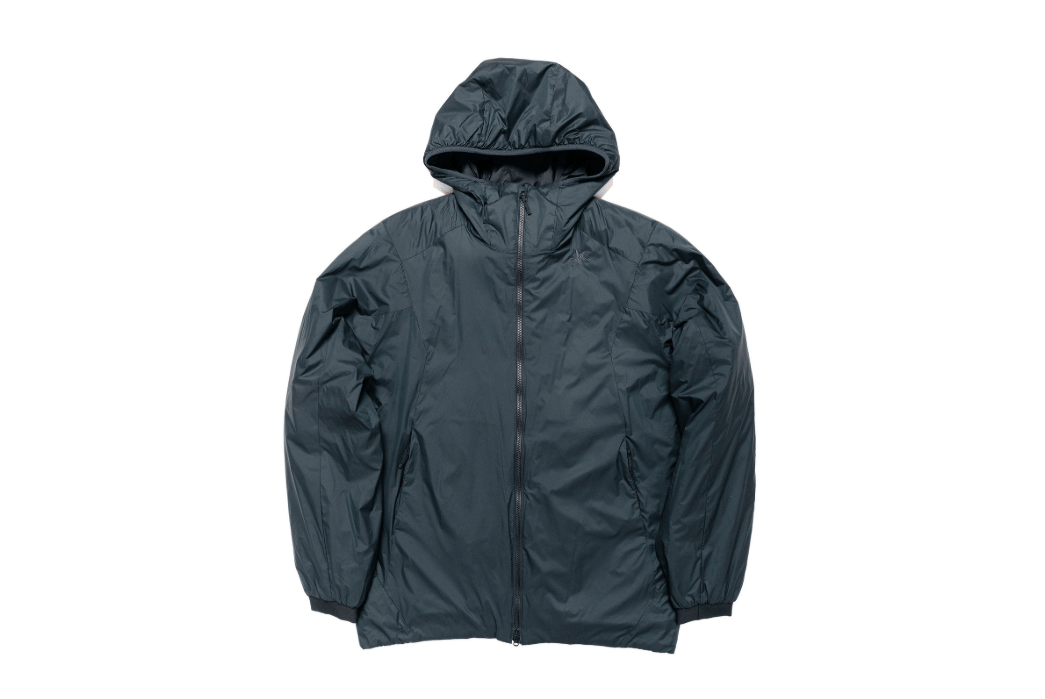
Goldwin Pertex Quantam Padded Warm Jacket Wolf Gray, available for $450 from Lost & Found.

Goldwin 1000FP Sputtering Hooded Down Jacket Wolf Gray, available for $628 from Lost & Found.

Goldwin 0 Windstopper Padded Composite Parka Biotite BX, available for $888 (on sale) at HAVEN.
The North Face Purple Label
Image via Japarel
Japanese sports manufacturer Goldwin Inc. acquired distribution rights of The North Face in Japan in 1978. As well as introducing The North Face to the Far East, Goldwin’s licensing rights allowed them to create a Japan-exclusive sub-brand, The North Face Purple Label. Established in 2003, Purple Label was conceived to offer a more lifestyle-focused take on The North Face that would reflect Japan’s urban styling of mainline North Face products.

Representatives of Goldwin Inc. at The North Face HQ in the late 70s via Goldwin Inc.
Headed by Eiichiro Homma, a technical designer for Goldwin and the founder of technical apparel brand Nanamica, Purple Label looks to heritage outdoor styles to inform its fresh adaptations of classic North Face silhouettes. The North Face had certainly become a household name in the Far East, but Homma recognized the potential to apply Japan’s sartorial appreciation for heritage Americana to contemporary outdoor wear. Homma reflects on this to Hypebeast:
Before we launched PURPLE LABEL, all [The North Face] garments which were worn as city wear looked exactly same as outdoor gear. Our view was different – at the time people not only wanted very new styles but also heritage styles too. They couldn’t be just an exact replication of historical designs, but had to incorporate a modern understanding of these historical designs.
Instead of gallons of Gore-Tex and pools of Pertex, Purple Label chiefly utilizes time-honored fabrics like 60/40, ripstop, heavy-duty fleece, and denim. Some Purple Label products even enter the realms of casual wear with garments like skirts, button-downs, and rugby shirts, adding to the brand’s versatile collections.
A typical example of Purple Label’s design process is their rendition of The North Face Sierra Parka. As outlined below, the mainline TNF Sierra Parka (left) comes in a slim fit, constructed from soft brushed cotton nylon, with understated down quilts. The Purple Label Sierra Parka is built from polyester ripstop, with a heavy down fill construction and brown leather toggles at the hood. The differences are subtle, but the aesthetic of the Purple Label Sierra Parka is clearly influenced by the original TNF Sierra Parkas of the 60s and 70s (as pictured below).
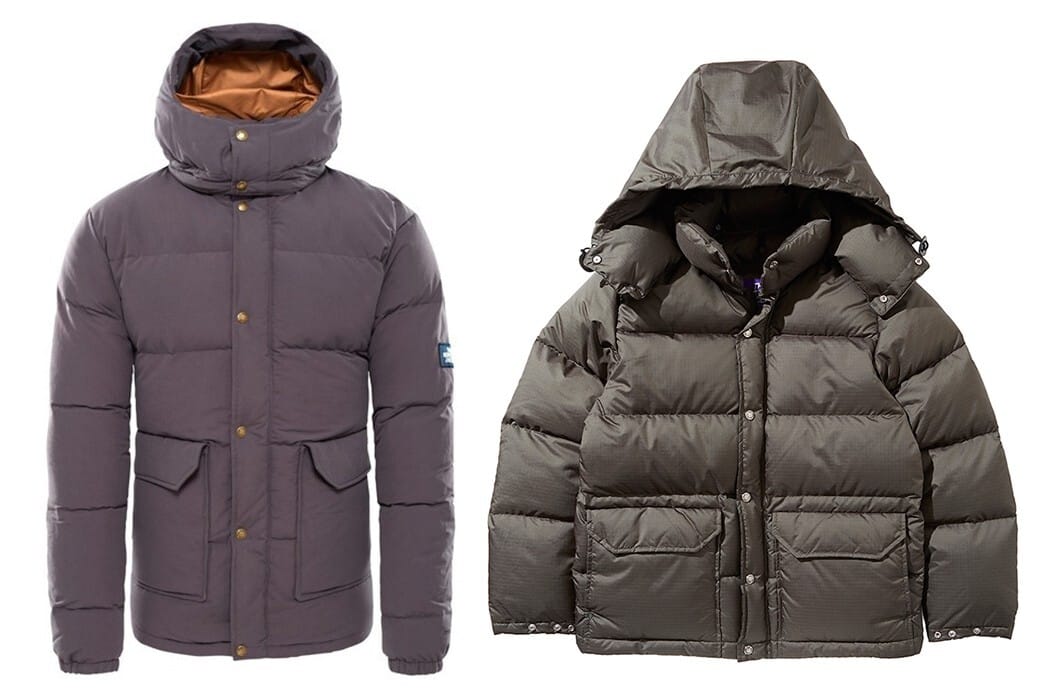
Left: A contemporary Sierra 2.0 Parka via The North Face, Right: A Purple Label Sierra Parka via Purple Label
Until 2019, Goldwin’s comprehensive licensing rights meant that TNF Purple Label was only available in Japan and difficult to obtain in the West. The North Face Purple Label store in Williamsburg, NY, was short-lived. Thankfully, you can cop TNF Purple Label at Japanese retailer, Sun House, which ships internationally!
And Wander

Image via And Wander
And Wander was founded in 2011 by two designers who had previously worked for the esteemed Issey Miyake — Keita Ikeuchi and Mihoko Mori. Ikeuchi became interested in camping and hiking whilst working at Issey Miyake, and after leaving the designer, he hit up ex-colleague Mori, who had grown disillusioned with the limited options of attractive outerwear for women, and the two formed And Wander.
“Back then, there weren’t any outdoors wear that we wanted to buy. For example, in ladies outer wear, colors were limited to really bright pinks and purples, with a choked waist.” – Mihoko Mori speaking to Rakuten

And Wander founders via Rakuten
And Wander is a Japanese label that offers outdoor garments that are suitable for both the trail and the city. The brand’s offering is centred on jackets that are made in a range of technical fabrics, but it also produces tech wear shirts, shorts, and some outdoor hardware like flasks, bottles, and bags. The brand is aware that not all of its customers will be mountaineering, but ensures that they test all of their fabrics in different conditions to achieve high performance:
“Because “and wander” is basically an outdoors brand, we actually walk around mountains to try out and compare different materials, and we are constantly thinking about having our customers wear our clothing in town, also. Therefore, rather than setting seasonal themes and announcing new collections every season, ours is a trial-and-update sort of creation of actually going into the mountains wearing the clothing ourselves, to update and brush up the aspects that bother us.” – Keita Ikeuchi, speaking to Rakuten
The brand has been a huge hit within the world of techwear, streetwear, and just fashion in general. At the time of writing, And Wander has enjoyed collaborations with Maison Kitsune, Barbour, Adidas, Nanga, and Salomon, as well as distributing its products outside of Japan to countries like the US, the U.K., Russia, China, and areas of Europe.
In 2025, And Wander collaborated with fast fashion giant Zara, which, for many, raised questions about the brand’s philosophy and ethical profile.
NANGA

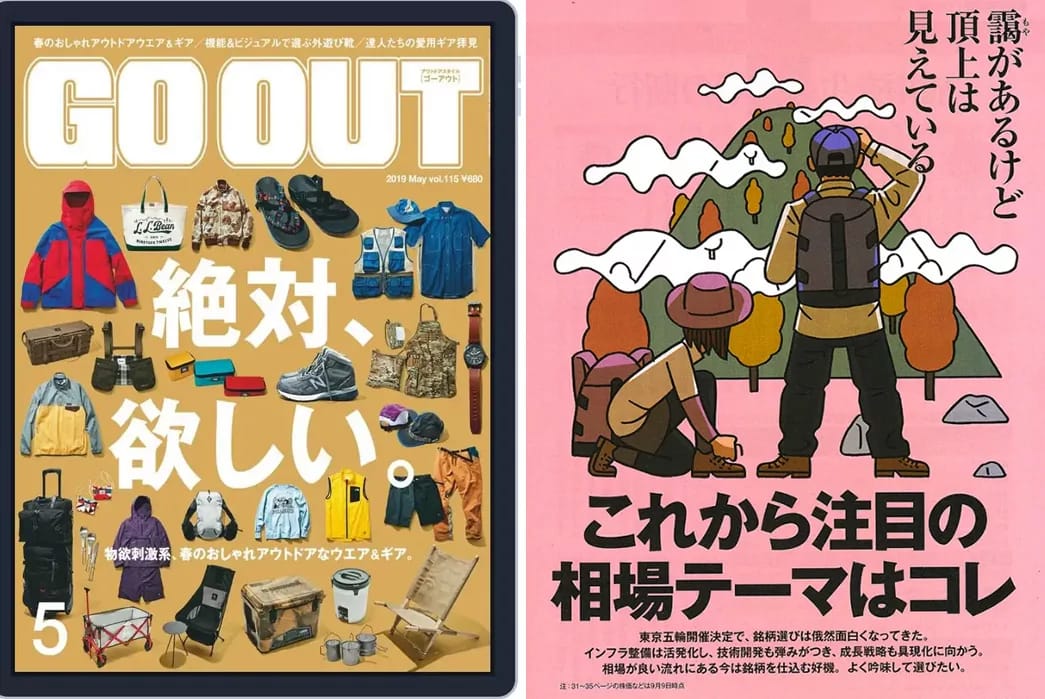
via Go Out
NANGA was named after the mighty Nanga Parbat mountain. Founded in 1941 at the foot of Mount Ibuki, NANGA is all about crafting gear that laughs in the face of weather and nature and, who knows, maybe even God, too.
Their philosophy is simple: create products that can handle anything you throw their way. With cutting-edge technology and innovation, NANGA ensures each item serves its purpose, no matter what.

Nanga Liteforce Down Jacket Khaki, available for $555 from Lost & Found.
Additionally, all of their products are proudly made in Japan, utilizing sustainable practices wherever possible and incorporating reusable materials into their designs to minimize their environmental impact. Which is smart. If the Earth ceased to exist, how would you get the chance to show it who’s boss?

Nanga x HAVEN Skyline Shirt Jacket – Nylon Ripstop, available for $565 from HAVEN.
Comfy Outdoor Garment
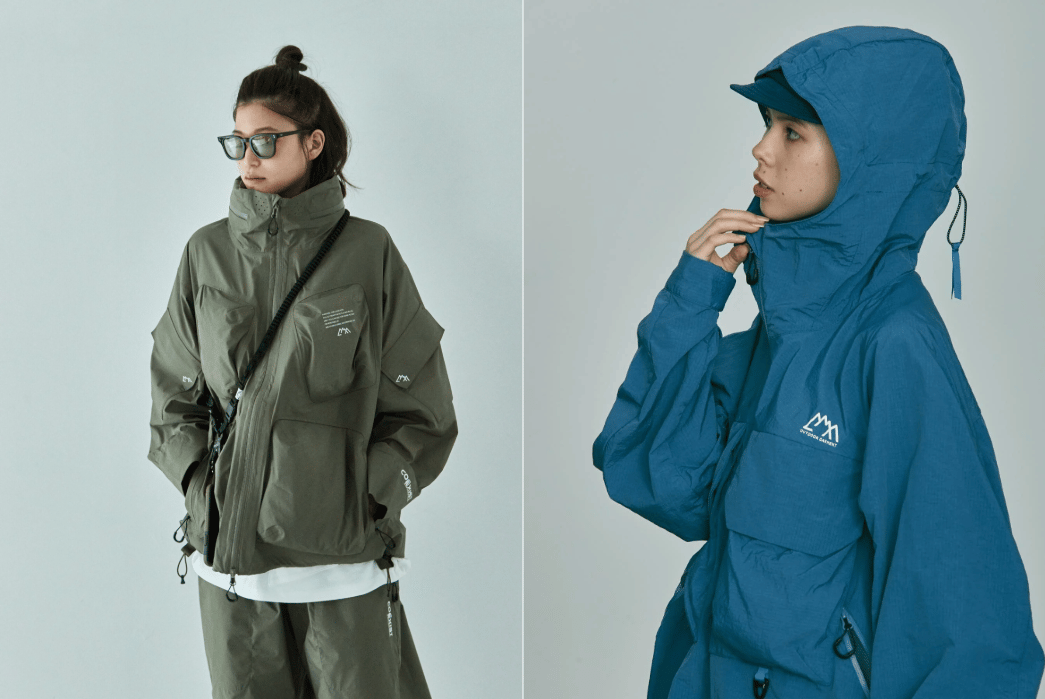
CMF lookbook shots via eye_C
Comfy Outdoor Garment (or CMF Outdoor Garment, as they are also known) has been in the outdoor business since 1915. With a strong mountaineering and climbing influence, these guys know what’s up (literally).
Taking inspiration from the streetwear scenes of both Japan and the Pacific Northwest, their tech wear blends form and functionality, resulting in completely unique silhouettes. Their garments are known for their interesting twists and new takes on well-walked territory like military garb and workwear.

CMF Outdoor Garment Smart X-Pac, available for $94 from Wallace Mercantile.
Based in Shibuya, Tokyo, the brand’s founder, Makoto, has a vision to bring a fresh and cool perspective to outdoor fashion. He wants to encourage people to choose more exciting and stylish designs for their excursions. For him, being a top brand in the outdoor market isn’t the end-all, be-all. According to Makoto, his goal is “to see people wearing Comfy Outdoor Garments on a mountain with a big smile.”
Montbell
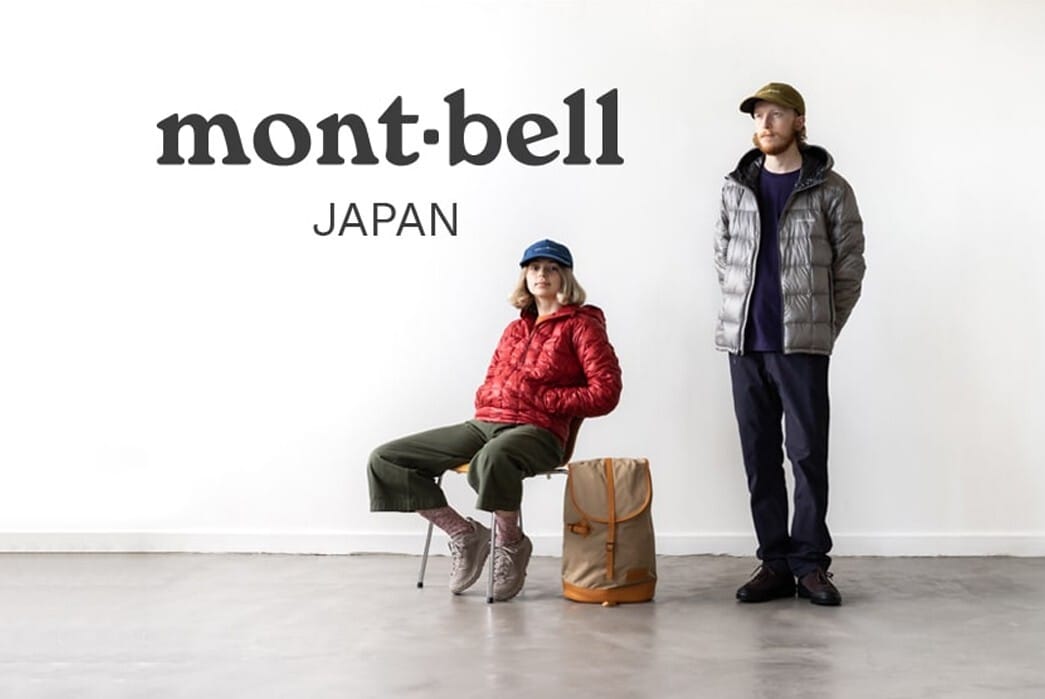
via Outsider Store
Since 1975, Montbell has been one of the go-to brands for outdoor enthusiasts in the East & West. Their “Light & Fast” products, like their feather-light down jackets and stretchy sleeping bags, have led to both global patents and plaudits.
But Montbell is more than just great gear; it’s a mission. The brand has objectives they refer to as “Montbell’s 7 Missions”, which include tenets like “Cultivate a respect for Mother Nature and the great outdoors” and “Make all efforts to live a long, fulfilling, healthy life”. Uh, yes, please.
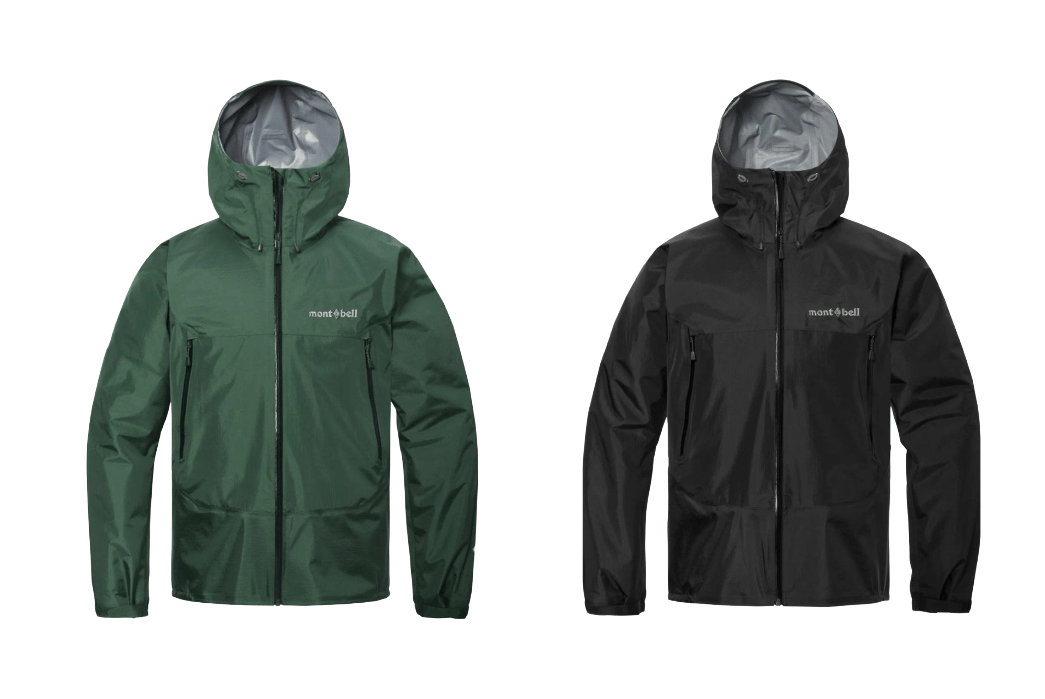
Montbell Rain Trekker Jacket, available for $335 from Hatchet Supply.
Montbell not only walks the walk, but also talks the talk by minimizing its environmental impact through meticulous material selection and manufacturing processes. This strong ethos comes in large part from their founder, Isamu Tatsuno. A professional mountaineer who became the first Japanese person to scale the North Face of the Eiger, Tatsuno launched Montbell at the ripe old age of 28. He believes everyone should have the chance to witness Mother Nature’s awe-inspiring beauty. And I guess look fresh as hell while doing so.
Descente

via Outdoor Aesthetics
Don’t let the French-sounding name fool you; this brand is as Japanese as it gets. Back in the mid-1930s, when skiwear was still finding its groove, Descente burst onto the scene in Japan. The brand’s iconic three-arrowed logo represents three fundamental skiing techniques: schussing, traversing, and sideslipping.
Decsente carved its name in the skiwear business through its innovation and incredible craftsmanship. For almost 90 years now, it’s been delivering new and novel products that get the crowd going. Sure, they’ll always have your back on the ski slopes. But what’s really exciting about Descante is their everyday gear. They know how to blend technical goodness with casual urban cool.
Wild Things Japan

Images via Where Select Store (left) and Graduate Store (right)
Based in Tokyo and inspired by military and tactical aesthetics,Wild Things Japanis on a mission to blend fashion and functionality like never before. Their products are crafted from high-quality materials and built to withstand even the harshest conditions.
But let’s rewind for just a second, because Wild Things Japan is no ordinary brand. Just one cursory look at the label’s history lets you know how much of a wild thing it truly is. It all started with two mountaineers, Marie Meunier and John Bouchard, who began making clothing to mosey up the mountains of Massachusetts. Then, in 2004, the US military came a knockin’ and soon enough Marie, John, and Wild Thing found themselves with a new client: the most powerful military in the world.
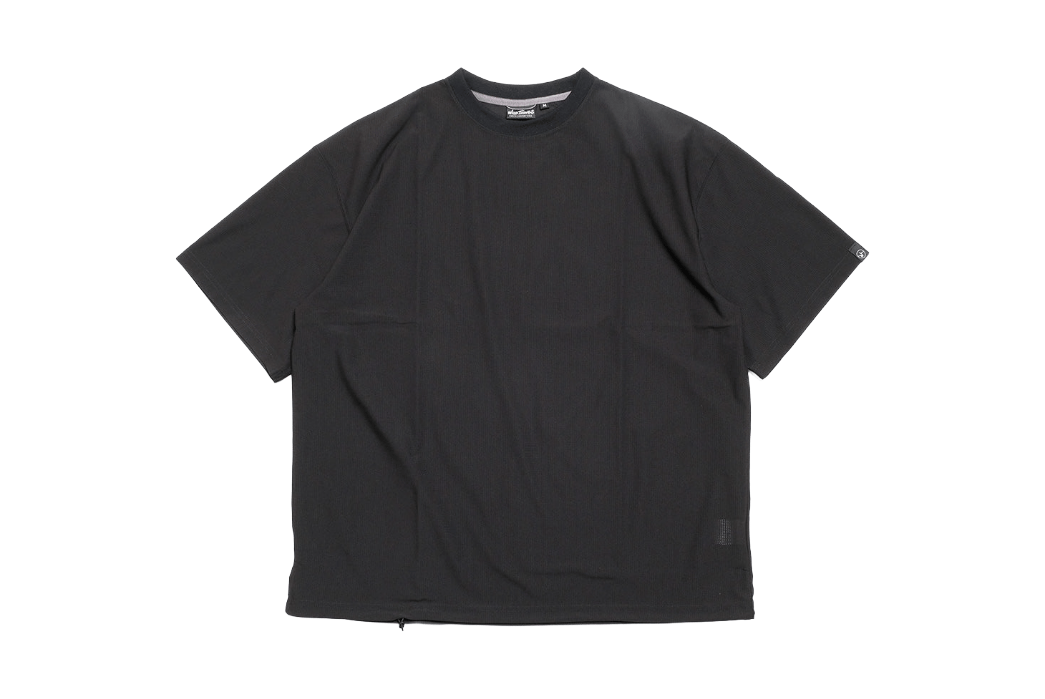
Wild Things Japan Tech Mesh T-Shirt, available fr $105 from Sun House.
The brand’s Japanese line is like a more foreign fashion-forward cousin to the stateside original (think Carhartt WIP to Detroit’s OG Carhartt). And it continues to play within the world of military and tactical aesthetics, but with a gorpy twist. I’m talking sleek, swishy, technical pants with lots of zips and hidden components and cozy, utilitarian insulated nylon parkas. With all this up its sleeve, Wild Thing Japan is positively perfect at blending toughness with finesse.
Mountain Research

Images via eye_C magazine
One of the newer brands on this list, Mountain Research was established in 2006. And believe me when I say: this is not your typical outdoor brand. Founder and main man Kobayashi Setsumasa has a unique vision — to focus on the topic of mountains while embracing an anarchist spirit.
While Mountain Research is recognized for its exceptional designs, Kobayashi goes beyond simply following trends. His inspiration stems from a diverse range of sources, including nature, mountain biking gear, military clothing, and the liberating style movements of the 60s and 70s.
The brand reminds me of the bizarro world of Engineered Garments, and I mean that in the best way possible. They’re all about embracing a free-spirited mindset and challenging conventional norms, while offering up practical garments that you will actually wear. Thanks to this, Mountain Research is gaining popularity all across the globe.
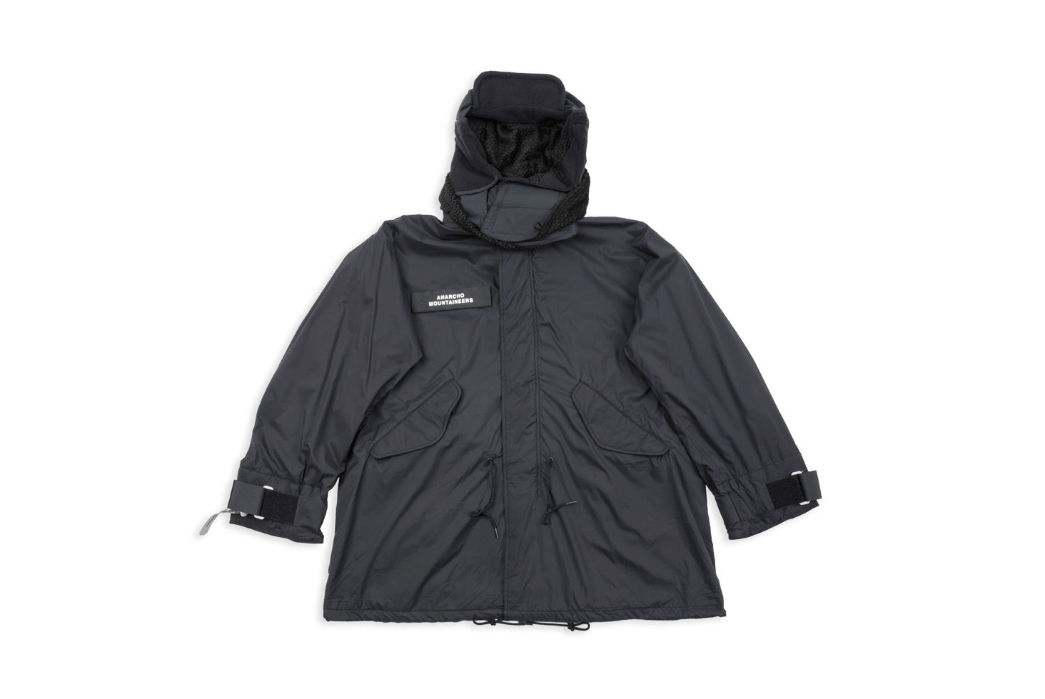
Mountain Research Rabbit Parka, available at Standard & Strange for $975.
CCP (Crazy Character Print)

Images via eye_C magazine
Crazy Character Print (or CCP for short) was born in Tokyo in 1996, initially as a silk-screening company founded by Tsutomu Kijama. He had a passion for electronic music and club culture, which led him to launch the brand with the intent of creating unique club wear.
But soon after, the brand evolved, in part inspired by Kijama’s new interest: biking. This shift inspired the brand to design casual and versatile clothing specifically for bike commuting.

CCP LS-NB105 Longsleeve Shirt Black, available for $325 from HAVEN.
Today, CCP is known for creating striking garments made for all manner of settings. Their designs function whether you’re cycling on your daily commute or exploring both nature and the urban jungle.
F/CE

Images via root-store.com
Founded back in 2010 (making it the youngest brand on this list), F/CE lives and breathes this three-word philosophy: Functionality, Culture, Exploration.
F/CE isn’t your standard, run-of-the-mill outdoor brand. One of the coolest aspects of the label is that with each collection, F/CE focuses on a specific nation, sending its designers there to immerse themselves in its lifestyle, history, art, and culture. This firsthand experience allows them to capture the unique characteristics of each country, inspiring unique and authentic garment designs.
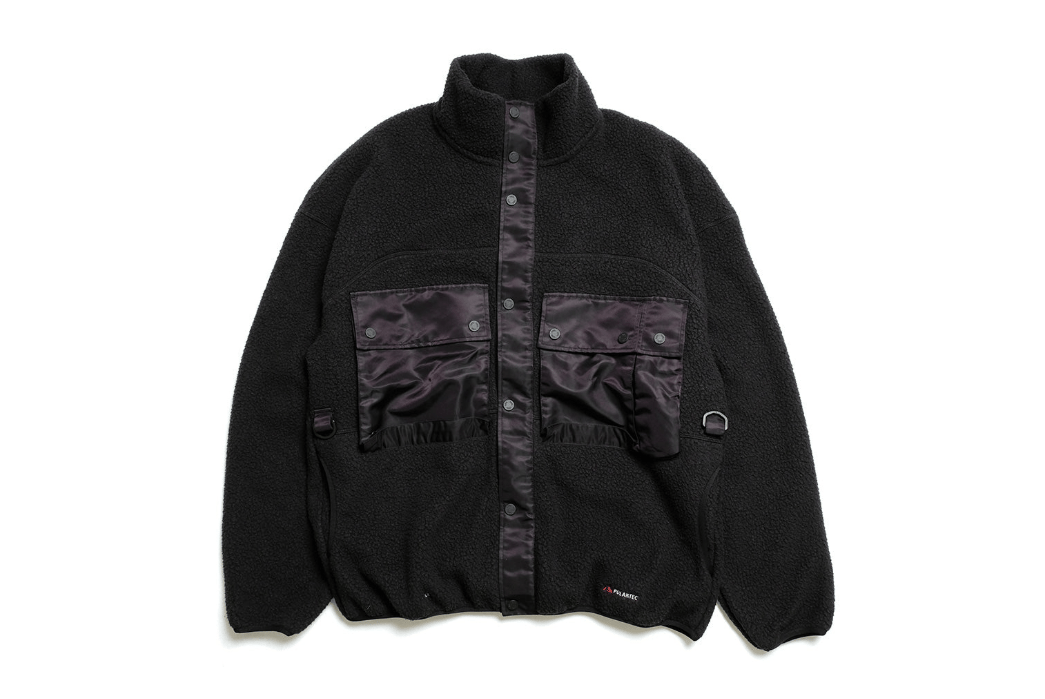
F/CE Polartec Boa Jacket, available for $415 from SUN HOUSE.
Founder and designer Satoshi Yamane embraces the coming together of fashion and the outdoors. Although he cops to disliking hiking or climbing, he says that he’s always loved camping and is “fascinated by the idea of going to an inconvenient place to forget daily life.” You and me both, Satoshi.
Like this? Read these:
What did you think of today's newsletter? |