- Heddels
- Posts
- Incense 101: History and Products
Incense 101: History and Products

David Shuck
March 19, 2026
Incense 101: History and Products
The sticks and cones to freshen your space, as well as the history behind the burning sensation that is incense.
James Smith
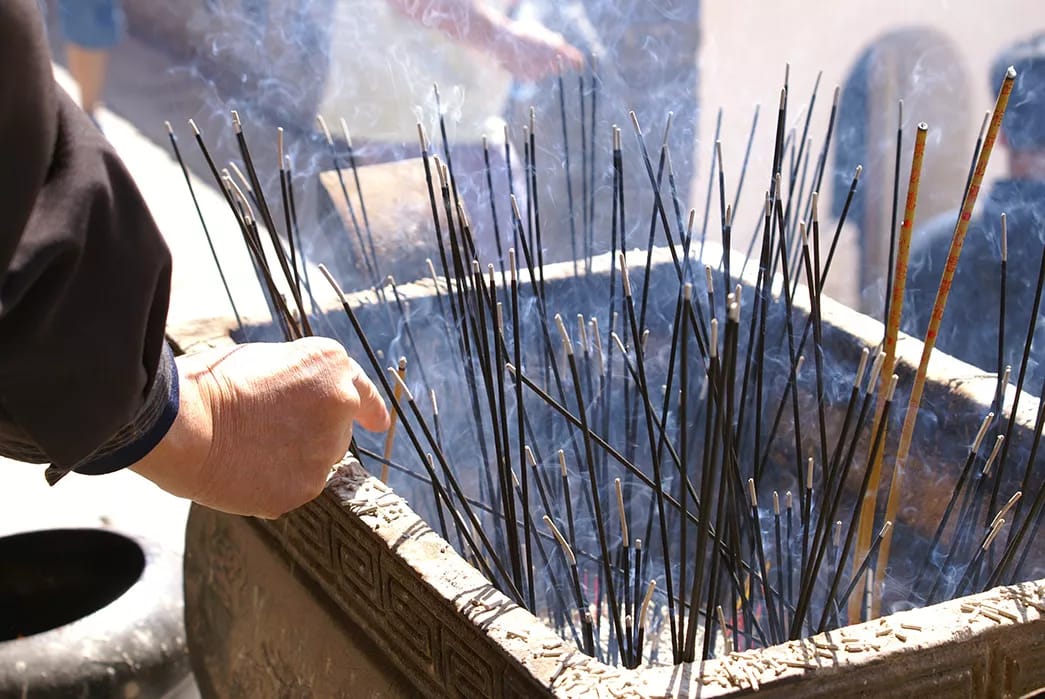
There are few better ways to fill your home with mystic aromas than burning incense. You may have noticed that a lot of boutique stores burn incense to add to the ambiance of their retail space, but the glowing ember of a burning piece of incense can bring untold smells to your own home, too.
So, if you’re thinking about exploring the aromatic world of incense, we’ve pulled together this primer to give you some context and know-how when it comes to those burning sticks of goodness you see in your favorite stores.
What is Incense?
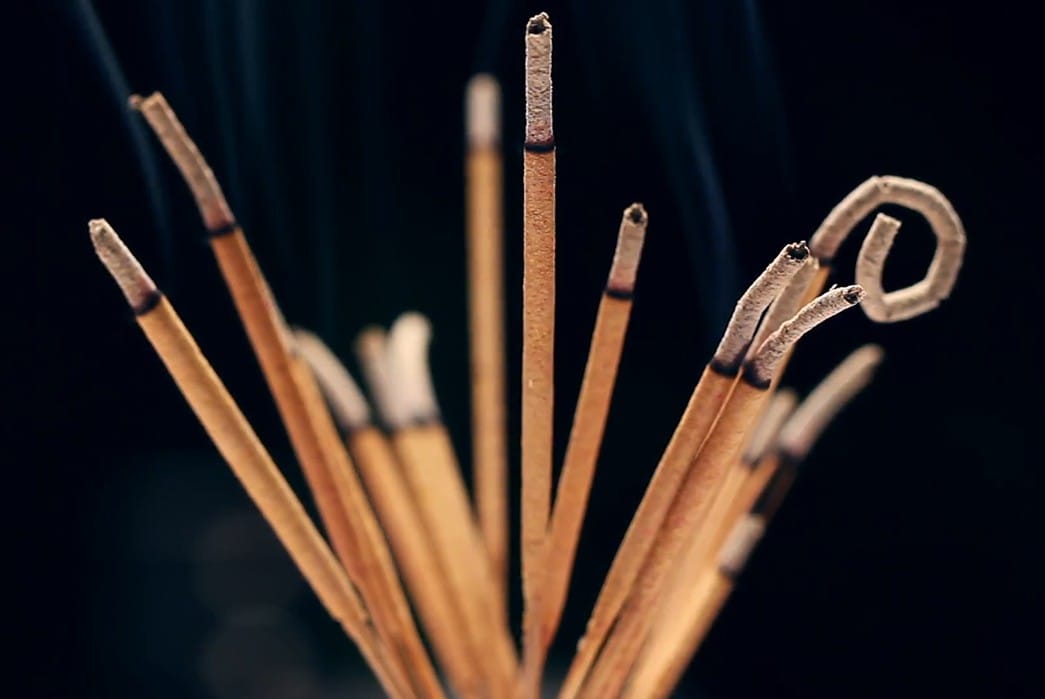
Incense sticks via Video Blocks
Incense is an aromatic biological material that produces fragrant smoke when burned. Made of plant materials and essential oils, incense is used for ambiance, therapy, meditation, ritual, and much more. Incense generally comes in two forms, indirect burning and direct burning.
Indirect burning incense uses a looser mixture— typically loose wood chips, herbs, powder, or resin mixtures—that requires a constant separate heat source to keep the substance burning, while direct burning incense is lit and fanned out shortly after to create a glowing ember that will slowly burn down the piece of incense, releasing aromatic smoke.
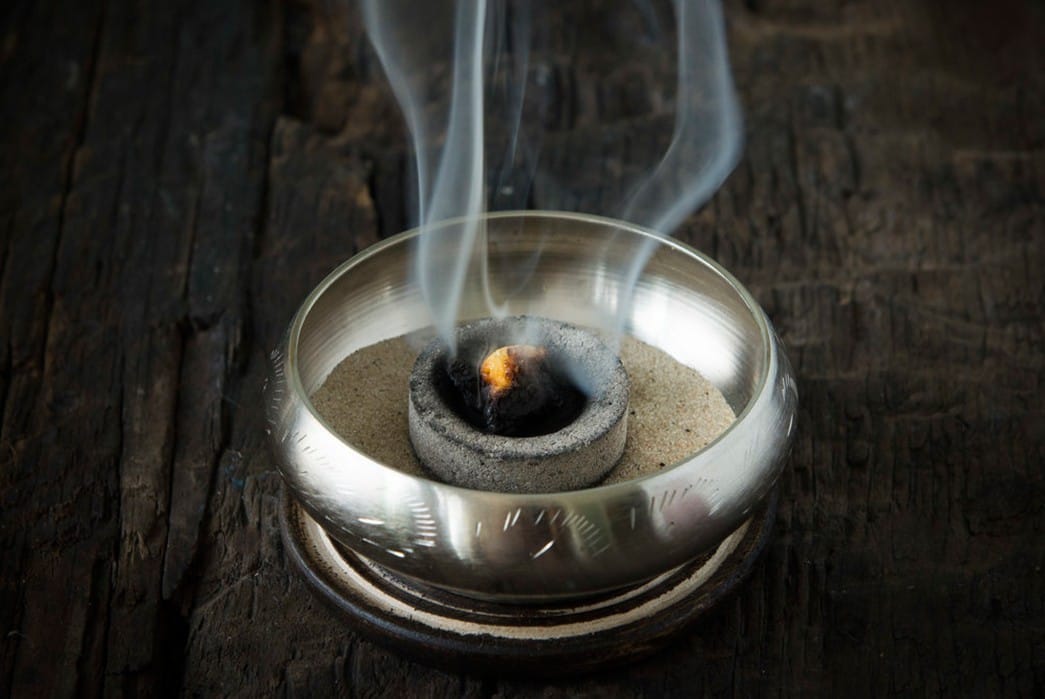
Incense Resin being burnt with a hot coal (indirect burning) via Candles & Houz
Direct burning incenses are the most common in contemporary settings, therefore this article will focus on this generic form of incense. Direct burning incenses are usually pressed into a shape such as a cone or a block, or formed around another supporting material such as a stick of bamboo. We will run down the different forms of incense and how each is burned shortly.
A Brief History of Incense
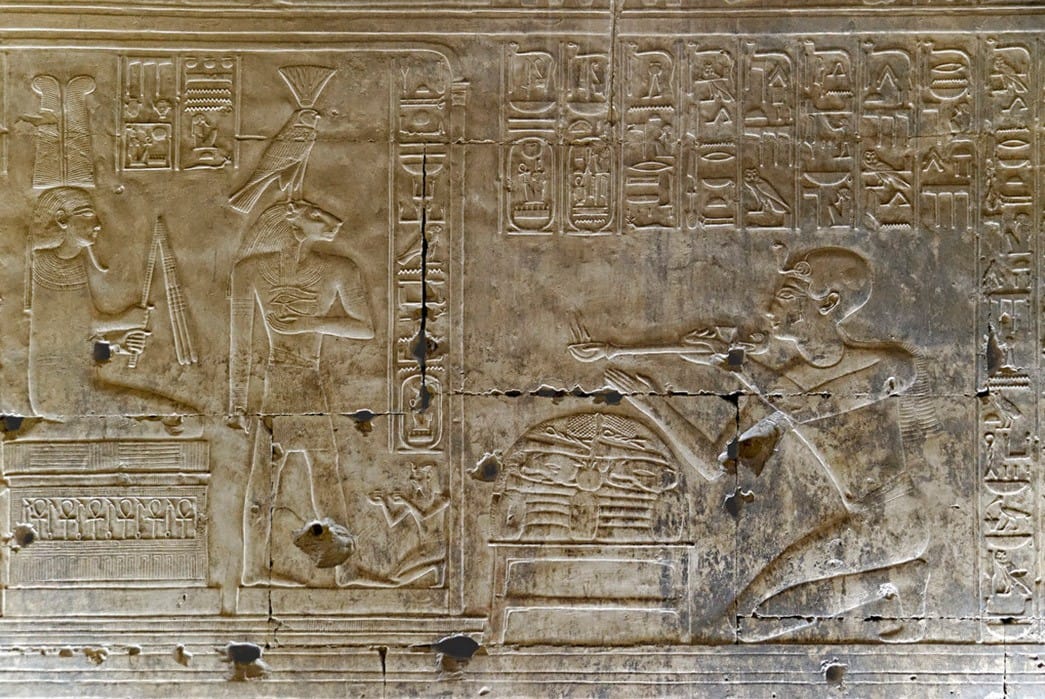
An Egyptian mural depicting the use of incense with an arm-shaped censer via Flickr
The English word incense comes from Latin incensum, meaning “something burned,” which derives from incendere (“to set on fire, burn”). The use of incense can be traced back to ancient Egypt, where incense was depicted to have been used by priests for fumigating ceremonies and tombs. Egyptian graves have been discovered to contain traces of fragrant resins such as frankincense and myrrh. It is widely believed that Egyptians would have used incense to ward off the presence of demons and likewise as an offering to their gods during worship and ritual.
Incense also played a central role in Mesoamerican civilizations in what is now Mexico. Cultures such as the Maya civilization and the Aztec civilization burned copal, a sacred tree resin used in temples, domestic altars, funerary rites, and ceremonial offerings. Archaeological excavations have uncovered copal in temple incense burners. Copal remains widely used today in celebrations such as the Day of the Dead.
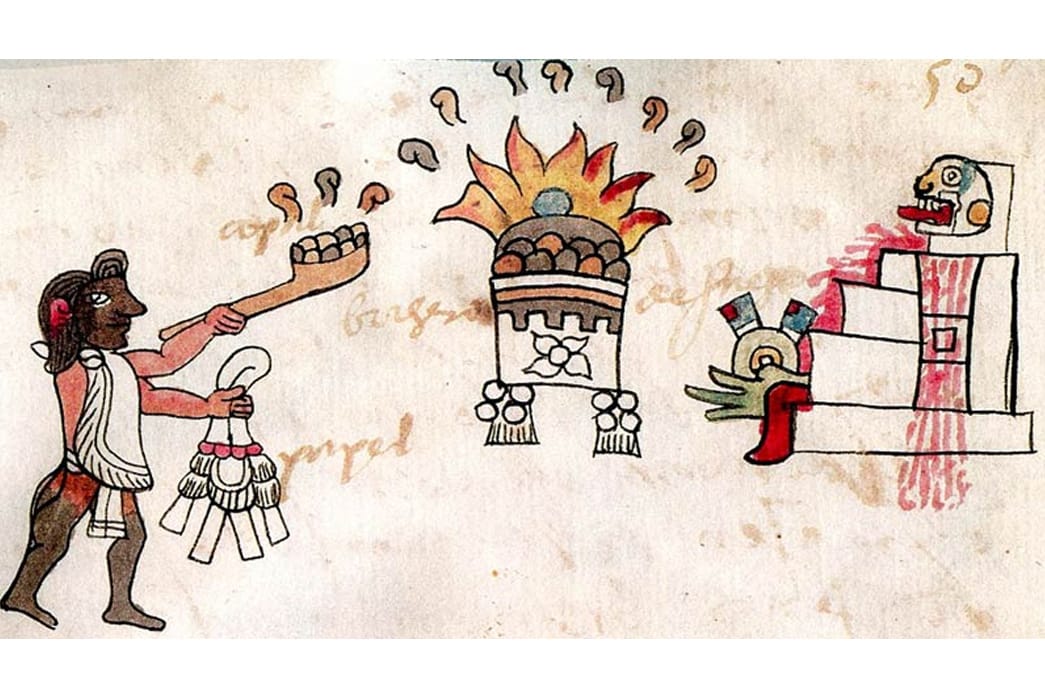
A Mexican priest carries copal incense in a ‘sahumador’ and aromatic ingredients in an incense bag to a large incense burner as an offering to the gods; Codex Tudela fol. 50r. Image via Mexicolore.
Incense history is synonymous with ritualism and spirituality. It’s believed to have been used in India and other parts of southern Asia as early as 3300 BC, with the use of incense spreading to ancient China around 2000 BC, where it was also used for worship and prayer. Chinese incense was often made from blended aromatic materials, including ingredients such as cinnamon and sandalwood—fragrances that remain popular in modern incense today. It is even documented that buildings were designed and built specifically for the burning of incense in late 12th-century China.
India is now the world’s main producer of incense, with the burning of incense being a fundamental part of Hinduism for thousands of years.
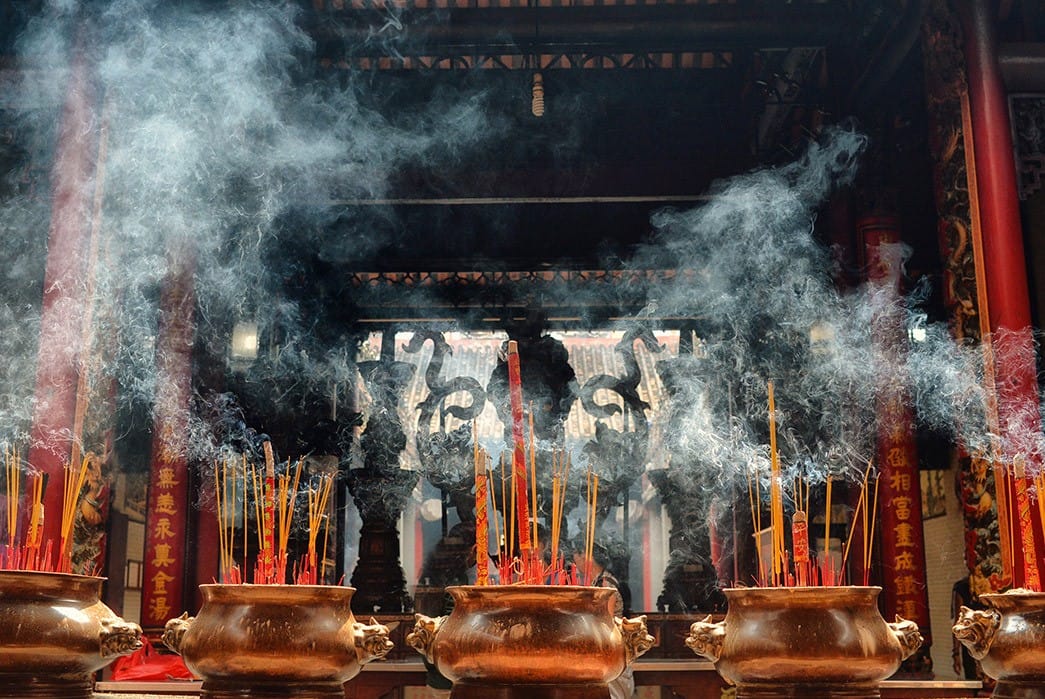
Image via Taiwan News
Resin-based incense such as frankincense is known to have been distributed to parts of what is now Europe by the 1st millennium BC. A major trading route known as the Incense Route saw spices and incense move from Arabia to the Mediterranean. Incense is also known to have been used in Japan as early as the 6th century, and it is recorded that 14th-century Samurai warriors would sometimes perfume their helmets as a pseudo-gesture to those who may decapitate them in battle. Later, in the 15th and 16th centuries, incense became popular with the upper and middle classes of Japan, who established Kōdō, the art of appreciating incense ceremonially. The recreational and ritualistic use of incense has since remained present throughout Asia and many other parts of the world.
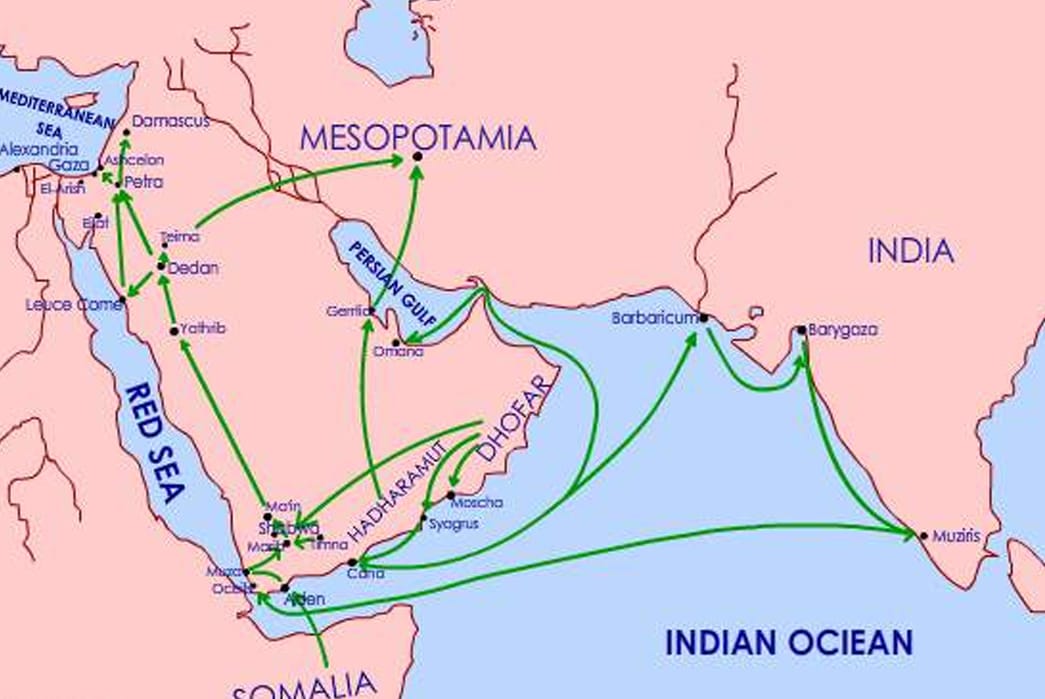
Map of ancient perfume/incense routes via WYSinfo
Typical Forms of Incense
Sticks
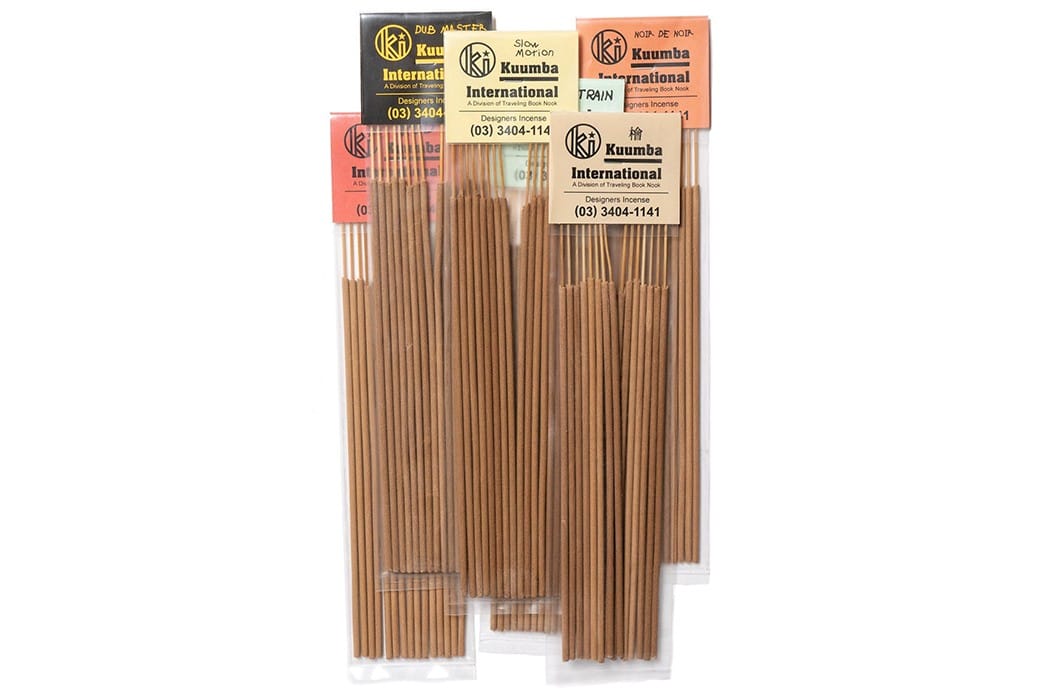
Kuumba Regular Incense Assortment, $16 fromHAVEN.
Incense sticks, also known as joss sticks, are made from a thin stick of bamboo coated in incense. Different brands of incense will have different burn times, but you can typically expect an incense to smolder for around 30 minutes to an hour. They can also come in various lengths, which results in varying burn times.
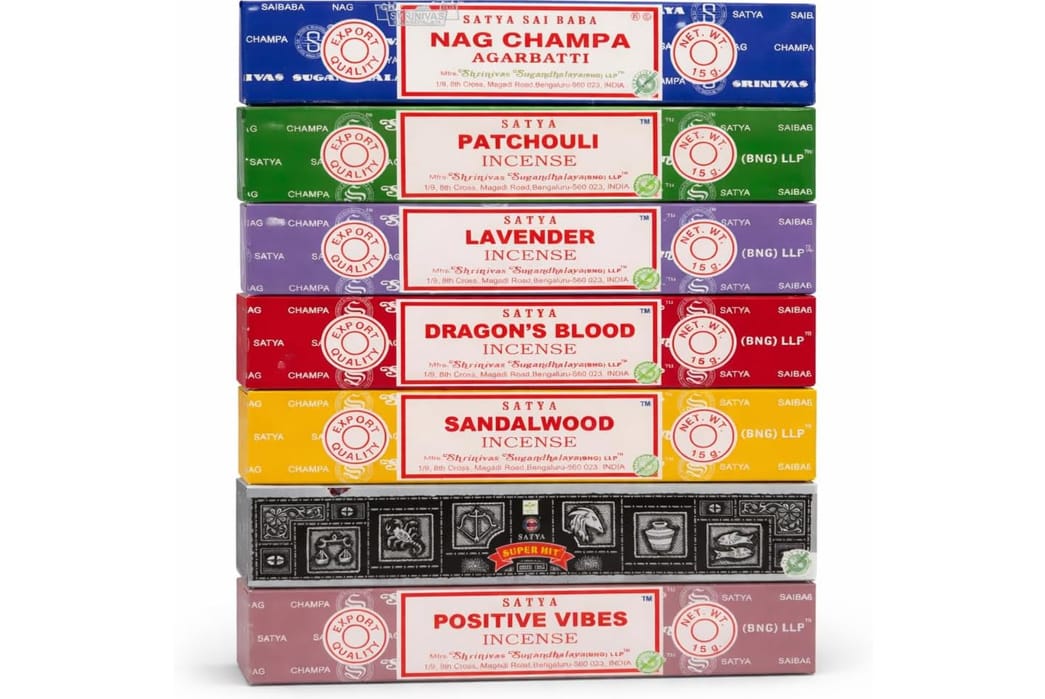
Satya incense originates in Bengaluru (Bangalore), India, where it was developed by the family of Shrinivas Sugandhalaya. The Satya brand became internationally known for its hand-rolled masala incense, especially Nag Champa, a blend featuring sandalwood and champa (plumeria). Western interest in meditation, yoga, and Indian spirituality boomed in the mid 20th century, which saw Satya expand its export market. Through consistent quality, recognizable packaging, and global distribution, Satya became the world’s most recognizable and widely exported incense brand.
Satya’s iconic incense sticks are available at Amazon for $9.99
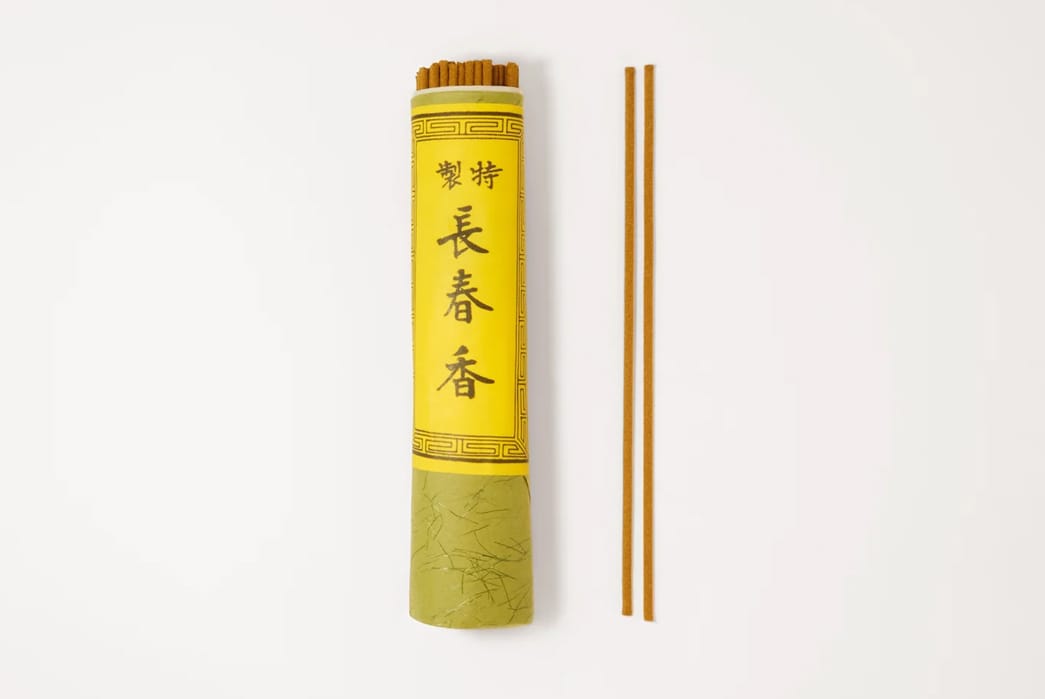
Hayashi Ryushodo Sandalwood Incense, available for $20 at Ask the Ages.
Dhoops
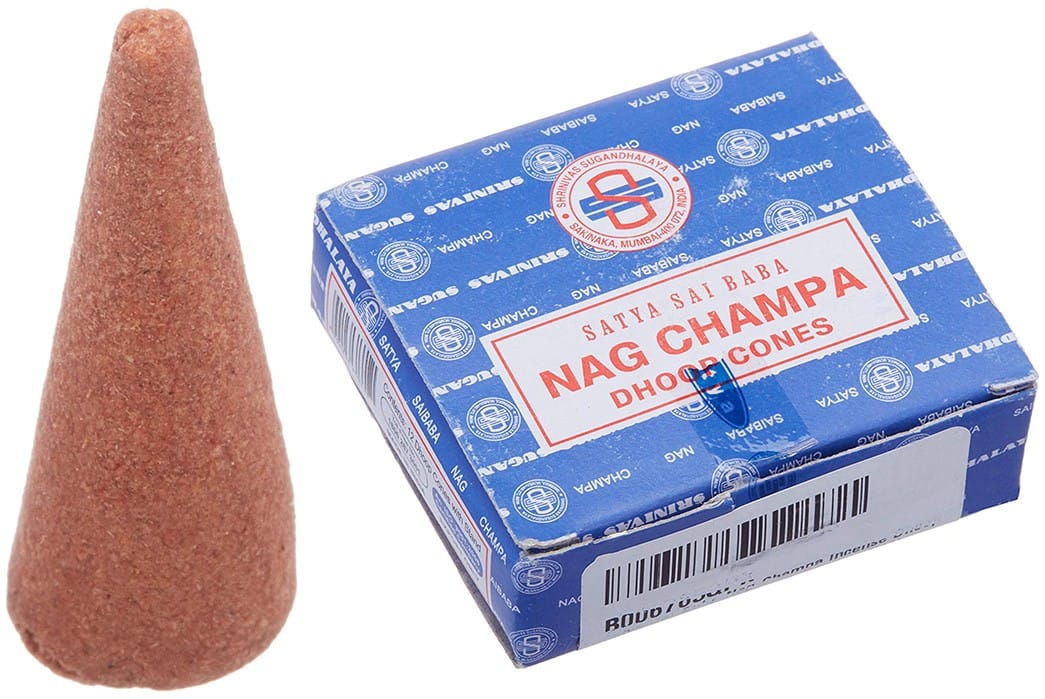
Satya Incense Dhoop Cones, $8.50 from Amazon.
Dhoops are raw incense molded into a shape that can be lit at one end to create a smoldering ember. Dhoops can be used to create a more intense hit of incense, ideal for quickly filling smaller spaces. The Satya dhoop cones linked above come in the legendary Nag Champa fragrance.
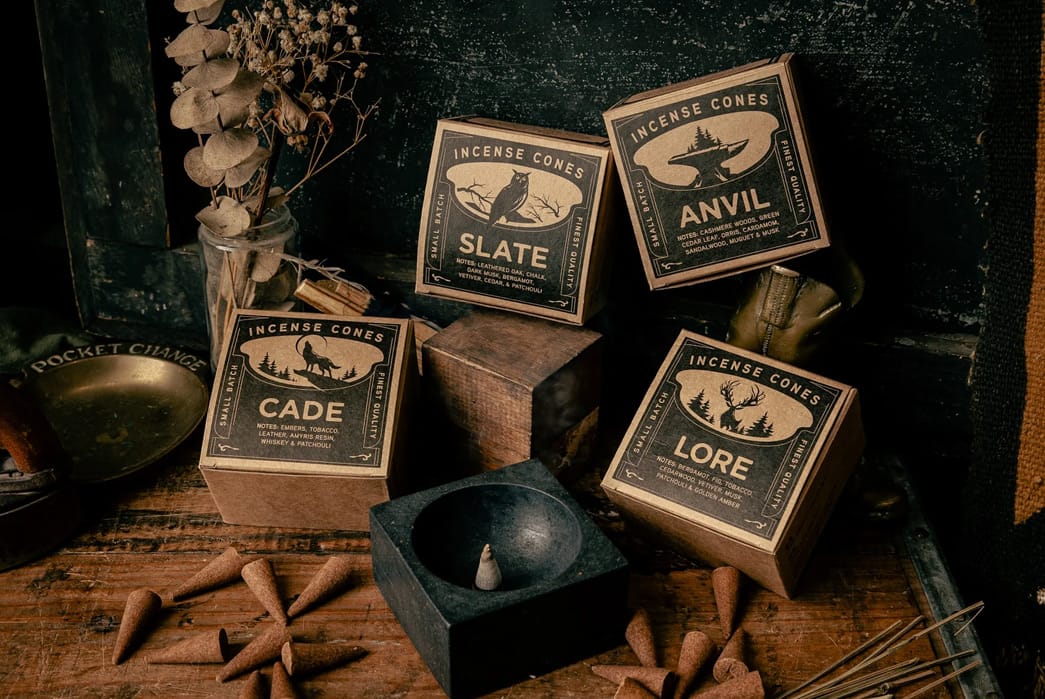
Manready Mercantile incense cones, available for $25 from Manready Mercantile.
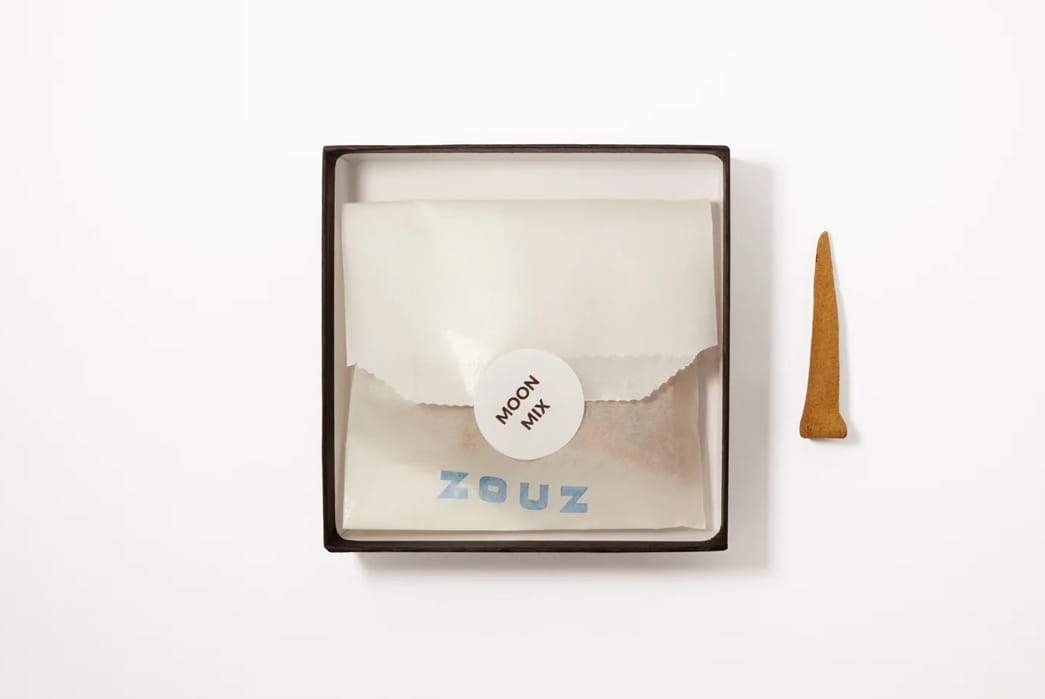
Zouz Moon Mix Incense Cones, available from Ask the Ages for $16.
Incense Matches
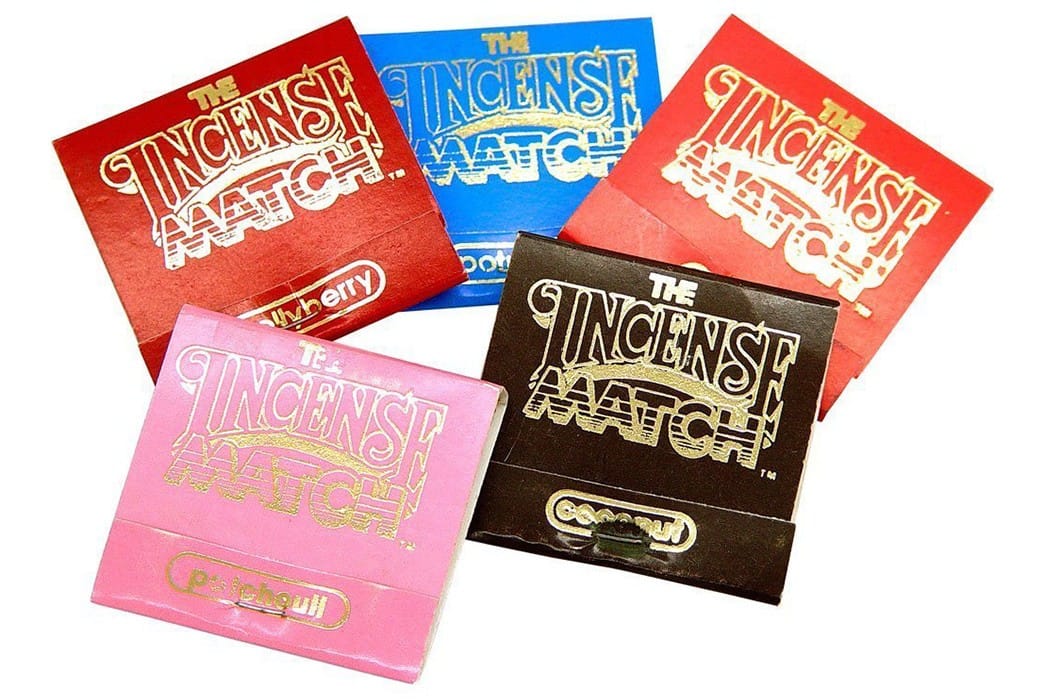
The Incense Match 15 Pack of assorted incense matches, $24 fromAmazon.
A more contemporary form of incense, you can use incense matches for a quick hit of aroma to refresh a room. Coming in a wide variety of scents, these matches burn for a shorter duration but pack a punch in certain fragrances. Simply strike the match against the reverse of the box, wait a few seconds, blow out the flame, and drop it into an ashtray or metal dish, and let the match smolder away.
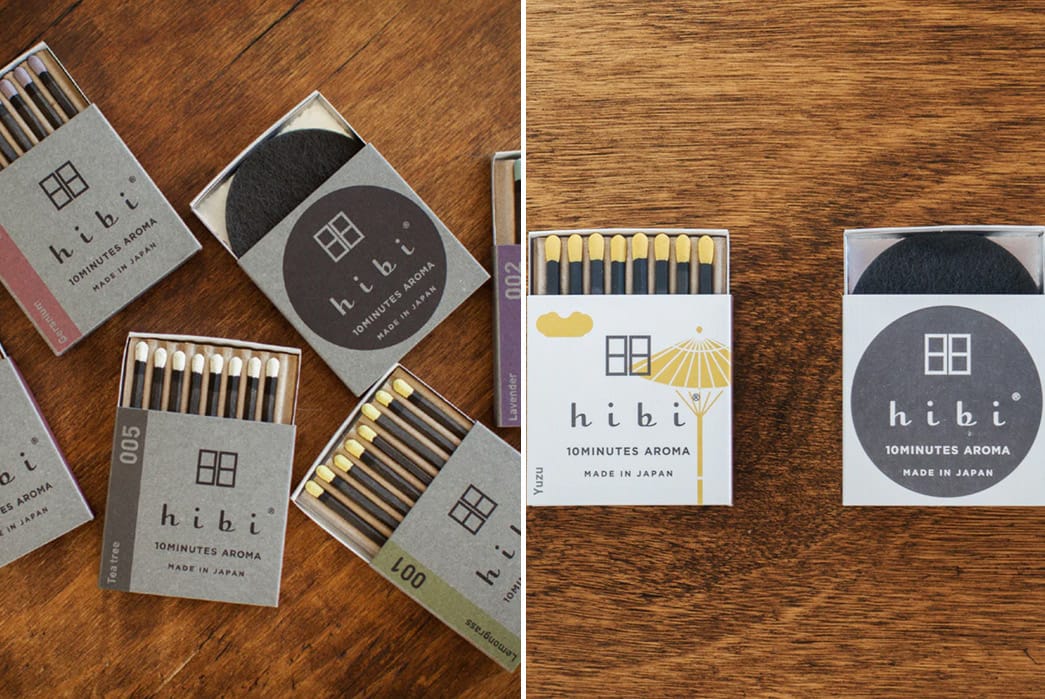
Hibi Incense Matches, available for $14 from Manready Mercantile.
Incense Burners and Chambers
Stick Holder
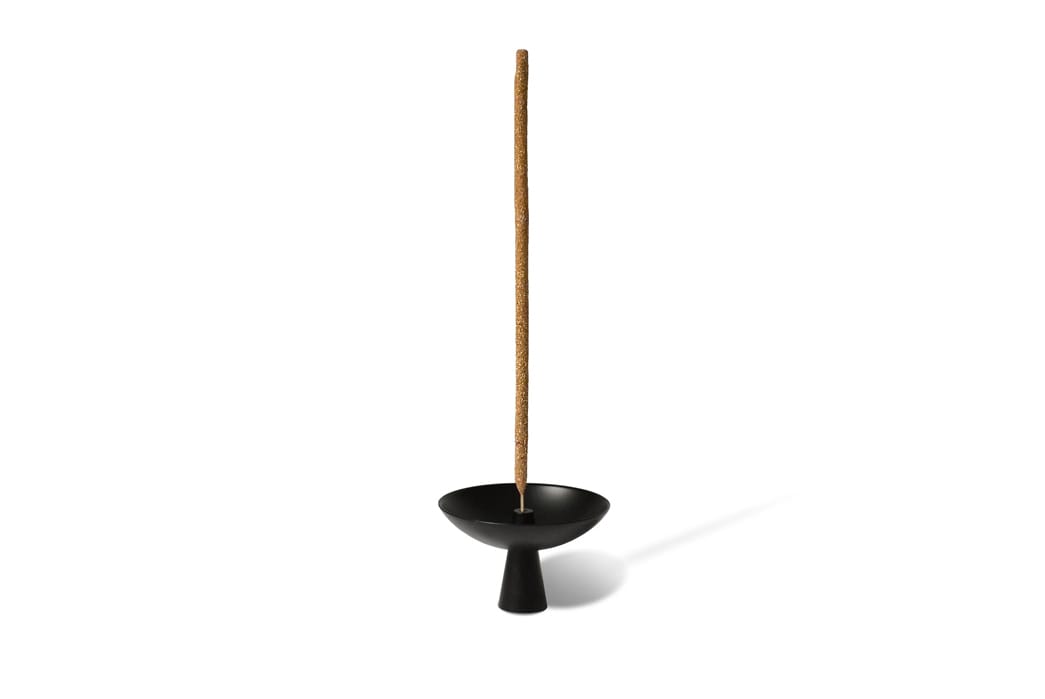
Cedar and Myrrh Black Brass incense holder, available for $40 from Manready Mercantile.
Incense sticks will need a holder with a small hole to lodge the stick into. Holders of this kind allow smoke to flow completely freely and provide wide smoke distribution, all while catching the ash from the stick. You can grab a simple incense holder with ease for pocket change, or invest in a nicer one with more character and/or nuance.
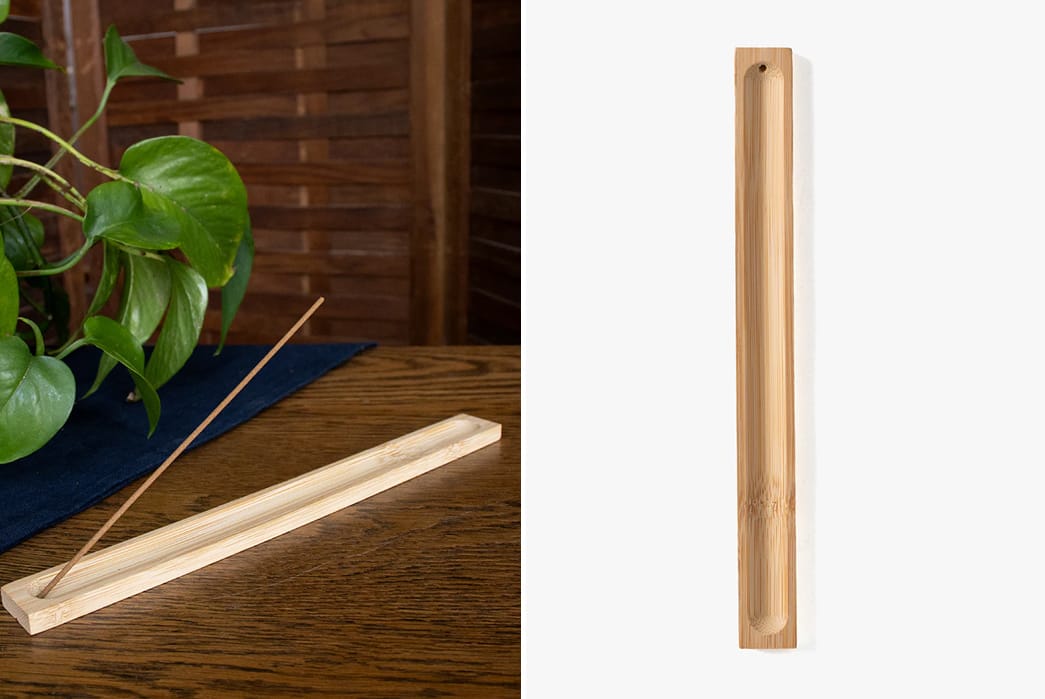
Magnifique Hearts Handmade Bamboo Incense Burner, available for $9.99 from Kiriko Made.
Coffin Style
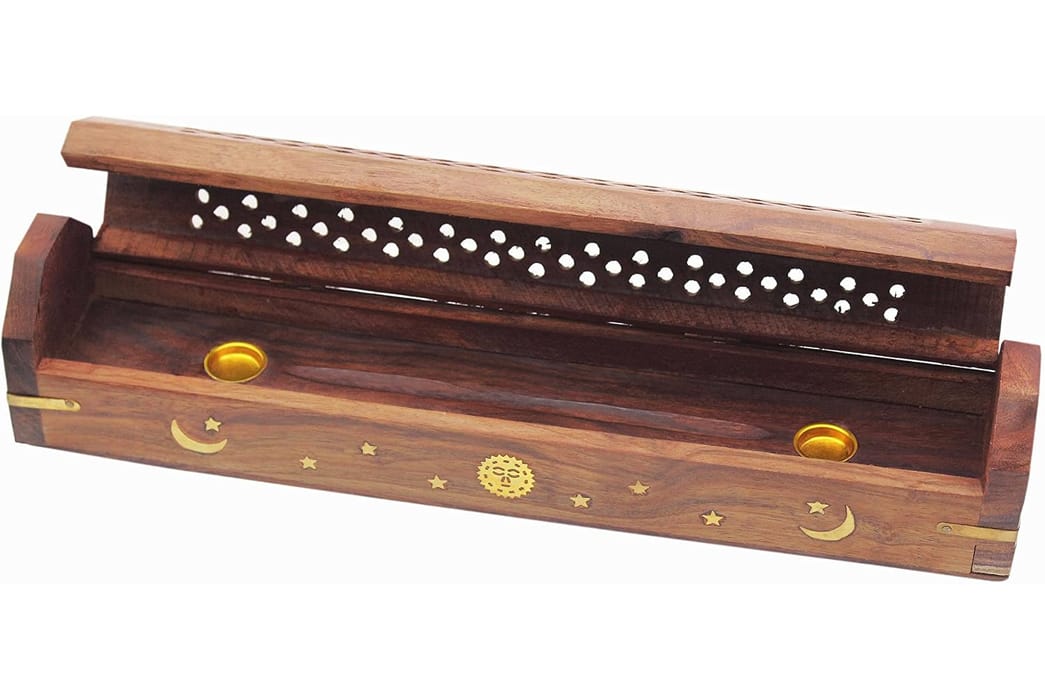
Sheesham Wooden Coffin Incense Burner, $9.999 from Amazon.
If you don’t like the idea of ash spillage and general clean-up from incense burning, a coffin-style holder may be for you. Coffin-style chambers can be used to burn joss sticks with a small hole at either end and dhoop cones by using the small brass dishes found inside. In addition, you can burn incense with the coffin lid closed, causing an attractive smoke display from the perforations in the box.
Chambers
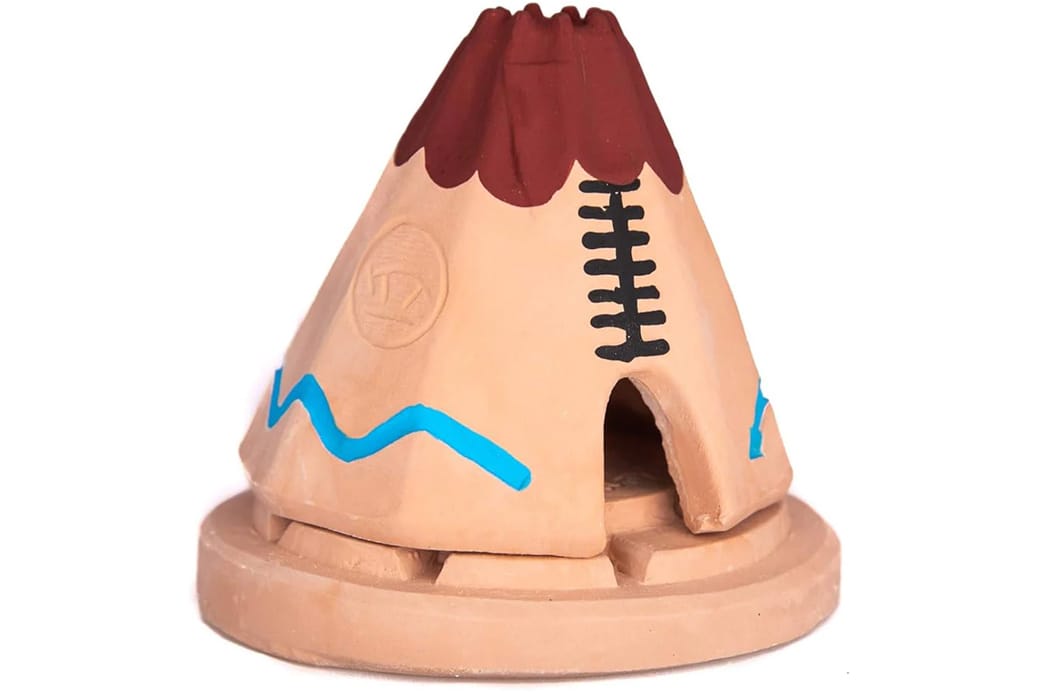
Incense of the West Teepee burner, available for $14 from Hatchet Outdoor Supply.
Incense burning can be truly ornamental by using an incense chamber. Often made from clay or ceramic, there is a whole host of chambers out there in a range of playful and creative designs with clever hole placements that allow the fragrant smoke to complement the design. The Incense of the West Teepe Burner above would be ideal for burning dhoop cones.
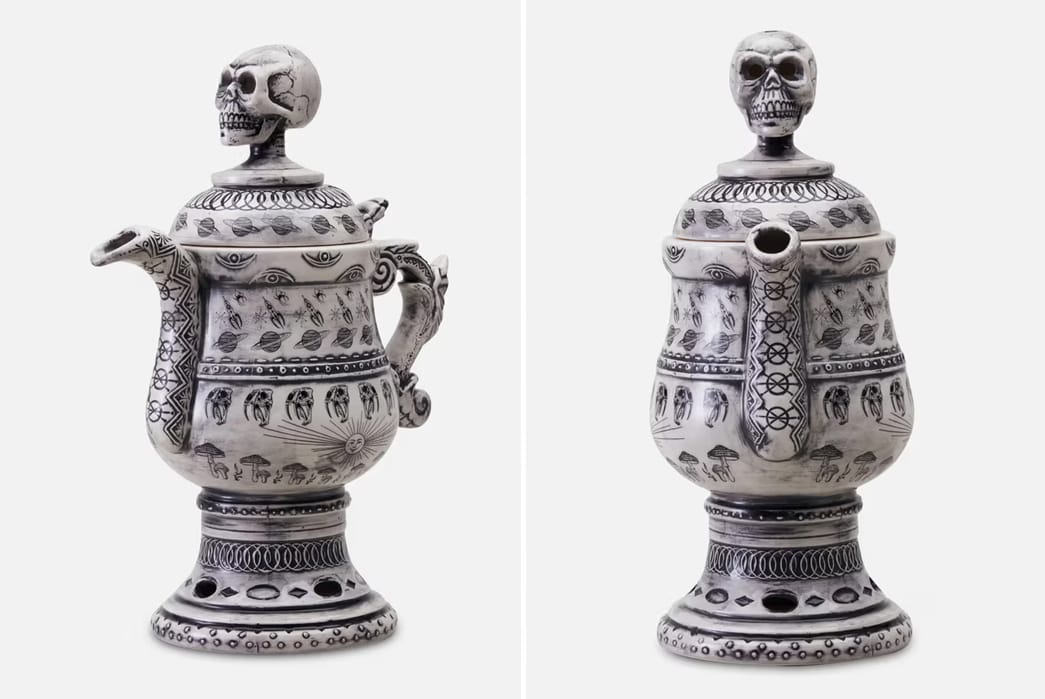
Neighborhood Dr. Woo Incense Chamber, available for $400 from HBX.
Health Risks of Incense Burning
While burning incense is an amazing olfactory experience, the practice comes with some health concerns, like any other exposure to smoke. Incense smoke contains particulate matter, volatile organic compounds, and other potentially harmful chemicals. Light, occasional use is considered low risk, but chronic or heavy exposurehas been linked to respiratory irritation, asthma exacerbation, and an increased risk of lung or upper airway issues over time. With that considered, you’re unlikely to meet someone who has become ill from casually burning incense in a living space. Like most things, moderation is key; don’t go too crazy, and you’ll be fine.
Like this? Read these:

What did you think of today's newsletter? |